
Unlocking Umami: A Beginner's Guide to Cooking with Miso

Miso Magic: Your New Favorite Flavor Booster
Ever tasted a dish and thought, "What is that incredible depth of flavor?" Chances are, you might have experienced the magic of miso. This humble fermented paste, a staple in Japanese cuisine, is a powerhouse of umami that can transform everything from simple soups to complex glazes. If you're looking to elevate your cooking, understanding and using miso is a fantastic place to start!
Miso 101: What Exactly Is It?
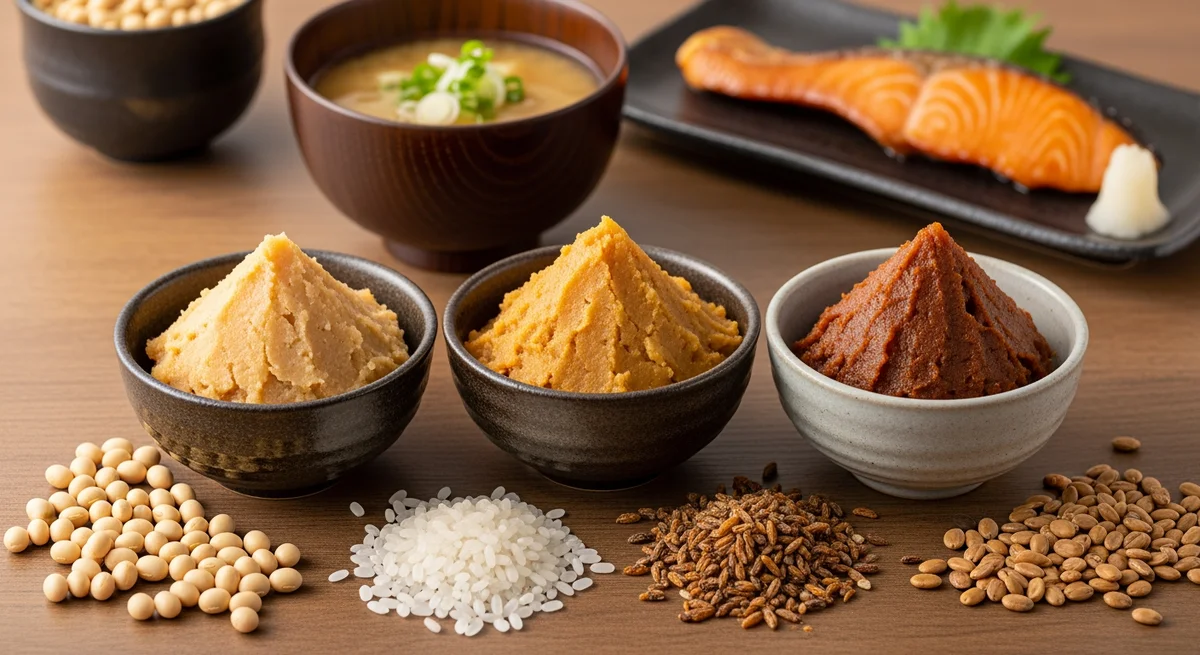
At its heart, miso is a fermented paste made primarily from soybeans, a grain (like rice, barley, or rye), salt, and koji (a type of fungus that kicks off the fermentation process). Think of it like a savory, complex condiment that brings a rich, salty, and slightly sweet flavor profile. The fermentation process breaks down proteins and starches, creating those incredible umami compounds that make your taste buds sing.
Traditionally, miso can ferment for anywhere from a few weeks to several years. The longer it ferments, the darker its color becomes, and the more intense and complex its flavor will be. It's not just delicious; miso is also packed with beneficial probiotics, making it great for gut health!
Decoding the Miso Aisle: Types You'll Find
Walking down the international aisle, you might see a few different kinds of miso. Don't be intimidated! While there are many regional variations, supermarkets generally carry three main types, plus a popular blend:
1. Shiro Miso (White Miso)
- Appearance: Light beige to pale yellow.
- Flavor Profile: This is the mildest and sweetest type of miso, often fermented for a shorter period and with a higher proportion of rice koji. It has a delicate, subtly sweet, and somewhat floral flavor.
- Best Uses: Perfect for light dressings, marinades for fish or chicken, delicate soups, and even in desserts where you want a hint of savory complexity without overpowering other flavors.
2. Shinshu Miso / Awase Miso (Yellow/Blended Miso)
- Appearance: Golden yellow to light brown.
- Flavor Profile: A fantastic all-rounder, yellow miso (sometimes labeled "Shinshu miso") offers a balanced flavor that's richer than white miso but still versatile. It often includes barley in its fermentation.
- Best Uses: Excellent for everyday cooking, hearty soups, stir-fries, glazes, and dressings. It's often referred to as "Awase Miso" when it's a blend of different miso types, designed to be a good general-purpose option.
3. Aka Miso (Red Miso)
- Appearance: Dark red to reddish-brown.
- Flavor Profile: This is the most robust and pungent type of miso, fermented for a longer period (sometimes years) and often with a higher percentage of soybeans. It has a deep, salty, intensely savory, and sometimes slightly bitter or smoky flavor.
- Best Uses: Best for heartier, bolder dishes where you want miso to be a prominent flavor. Think rich stews, braises, robust marinades for red meat, and strong noodle broths. Use it sparingly at first until you get a feel for its intensity.
General Tips for Cooking with Miso
- Don't Boil It! High heat can kill the beneficial probiotics and degrade miso's delicate flavor. For soups, stir miso in after you've removed the pot from the heat or at the very end of cooking.
- Mix It In: Miso can be quite thick. Before adding it to liquids, it's often helpful to whisk a small amount of the liquid with the miso in a separate bowl until smooth, then stir it back into the main dish.
- Experiment with Types: Don't be afraid to try different misos in recipes. A white miso will give a lighter touch, while red miso will add a punch.
- Salt Content: Miso is salty, so adjust other salt in your recipe accordingly. Taste as you go!
Six Ways to Make Miso Shine in Your Kitchen
Ready to get cooking? Here are six diverse recipes that truly let miso flex its flavor muscles.
1. The Classic Comfort: Traditional Miso Soup
This is perhaps the most iconic use of miso and a perfect starting point. It's simple, warming, and incredibly satisfying. Often served as an appetizer or light meal, it showcases miso's ability to create a soothing, umami-rich broth with minimal ingredients.

2. Sweet & Savory Delight: Miso Glazed Salmon
One of the most popular uses for miso in modern Western cooking, a miso glaze turns simple salmon (or cod, or chicken!) into a gourmet meal. The sweet and savory notes of miso caramelize beautifully under the broiler or on the grill, creating a tender, flaky fish with an irresistible crust.

3. The Ultimate Versatile Condiment: Creamy Miso-Tahini Dressing
Forget boring salads! This dressing is a game-changer. The rich, nutty tahini pairs perfectly with the salty depth of miso, creating a dressing that's fantastic on salads, drizzled over roasted vegetables, or as a sauce for grain bowls. It’s unbelievably easy to whip up and keeps well in the fridge.

4. Flavor-Packed Side Dish: Roasted Miso Glazed Vegetables
Transform your everyday veggies into something extraordinary. Roasting brings out the natural sweetness of vegetables, and a simple miso glaze adds an incredible layer of umami and savory depth. Think broccoli, carrots, Brussels sprouts, or even sweet potatoes. It’s a fantastic way to make vegetables the star of the show.

5. Unexpected Indulgence: Miso Caramel Sauce
Bet you didn't see this one coming! Miso caramel might sound unconventional, but the subtle saltiness and umami from miso beautifully balance the sweetness of traditional caramel, adding an intriguing depth of flavor. Drizzle it over ice cream, use it in tarts, or simply eat it by the spoonful!

6. Hearty & Flavorful: Spicy Miso Ramen Broth
When you're craving something comforting and deeply satisfying, a bowl of spicy miso ramen hits all the right notes. The miso forms the backbone of a rich, complex broth, offering warmth and a powerful umami punch that can stand up to all your favorite ramen toppings. It's a truly soul-warming meal.

Start Your Miso Journey Today!
From light and delicate to bold and robust, miso is an incredibly versatile ingredient that deserves a place in every home cook's pantry. Don't be shy – grab a tub on your next grocery run and start experimenting. You'll be amazed at the delicious depth it brings to your cooking!