
The Sour Factor: Mastering Tamarind, Dried Plums, and Lemon in Your Cooking

Unlock the Power of Sour: Beyond Just Tartness
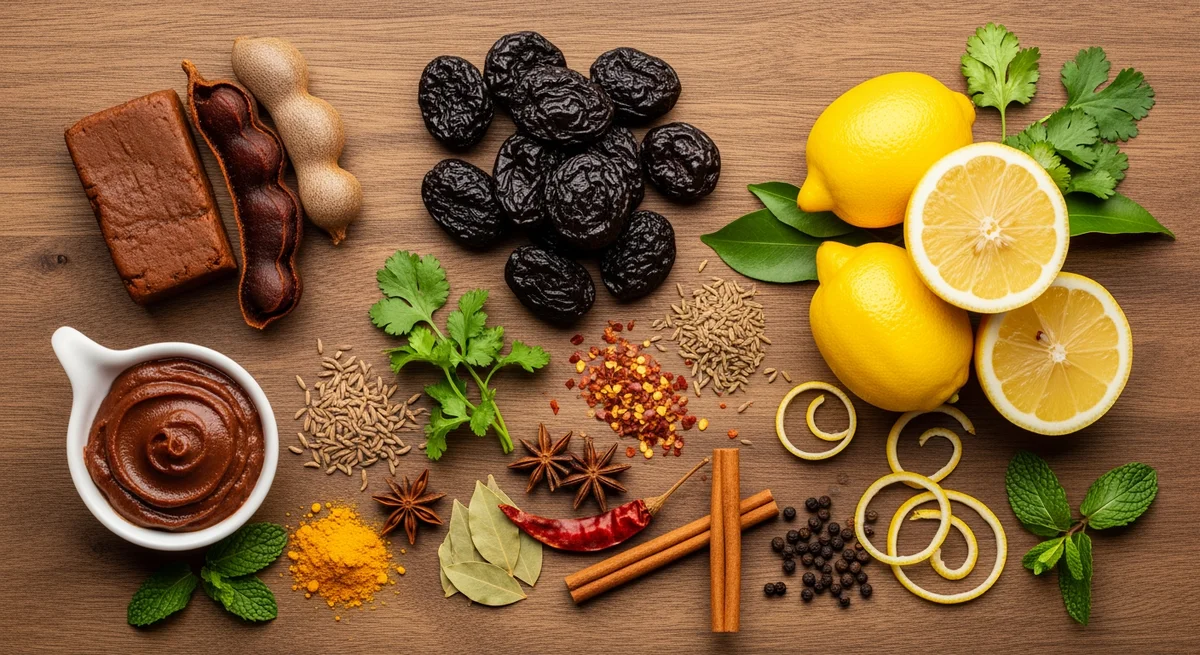
Ever notice how a dish can taste a little… flat? Or how some flavors just sing? Often, the secret isn't just salt or sugar, but sourness. It brightens, balances, and adds depth, making your taste buds tingle. But 'sour' isn't one flavor; it comes in many forms. Today, we're diving into three distinct souring superstars: tangy tamarind, subtly sweet dried plums, and bright, zesty lemon. Understanding when to reach for each, and how to swap them without losing that crucial 'zing,' is a game-changer. Let's get started!
Tamarind: The Tropical Tang
If you've enjoyed a vibrant Thai curry or an Indian lentil soup, you've likely experienced tamarind. This fruit delivers a complex sourness that's both fruity and deeply tangy, often with subtle caramel notes. It's commonly sold as concentrated pulp or ready-to-use paste.
When to use it:
Tamarind excels in dishes where you want a deep, fruity, and slightly sweet-sour profile that complements rich or spicy flavors, like Southeast Asian curries, Indian chutneys, or Mexican marinades.
Get the Recipe for Imli Aloo Bukhara Sharbat (Tamarind & Plum Drink)
Pro Tip: Always dilute tamarind paste with warm water. A little goes a long way!
How to substitute:
For its unique depth, combine 1 tablespoon lime or lemon juice with 1/2 teaspoon brown sugar or date paste. Rice vinegar with sugar or amchur (dried mango powder) can also work.
Dried Plums (Prunes): The Dark Horse of Sour
Dried plums might not instantly scream 'sour,' but these fruits offer a subtle, complex sourness that transforms into a rich, earthy, and deeply savory tartness when cooked. They provide a mellow, lingering acidity that adds incredible depth.
When to use them:
Dried plums are fantastic for savory-sweet-sour complexity and a rich, stew-like quality. Think Moroccan tagines, French braises, or savory grain dishes. They are perfect in this traditional condiment.
Get the Recipe for Aloo Bukhara Chutney (Dried Plum Chutney)

How to substitute:
To replace dried plums, try dried apricots or dried cherries with a splash of balsamic vinegar. A small amount of plum jam with red wine vinegar can also add body and lift.
Lemon: The Brightening Beacon
Ah, lemon! The quintessential brightener and most versatile souring agent. Unlike the deep notes of tamarind or the mellow richness of dried plums, lemon delivers an immediate, sharp, and refreshing burst of acidity. We're talking fresh lemon juice for acidity and zest for aromatic oils.
When to use it:
Lemon is your go-to for immediate freshness, a clean finish, or to cut through fat and richness. It's perfect for finishing roasted vegetables, grilled fish, pasta, salad dressings, and desserts.
Get the Recipe for Skanjbeen (Pakistani Lemonade)
Quick Tip: Always zest your lemon before you juice it!
How to substitute:
Lime juice is an excellent 1:1 swap. Various vinegars (white wine, apple cider) provide acidity but lack the fresh aroma. Citric acid powder offers pure sourness (use sparingly).
Embrace the Pucker!
Understanding the distinct personalities of tamarind, dried plums, and lemon will truly elevate your cooking. Each brings its own special kind of 'zing' to the party, transforming dishes from merely good to absolutely unforgettable. Remember to taste as you go, and don't be afraid to experiment with these souring superstars!