
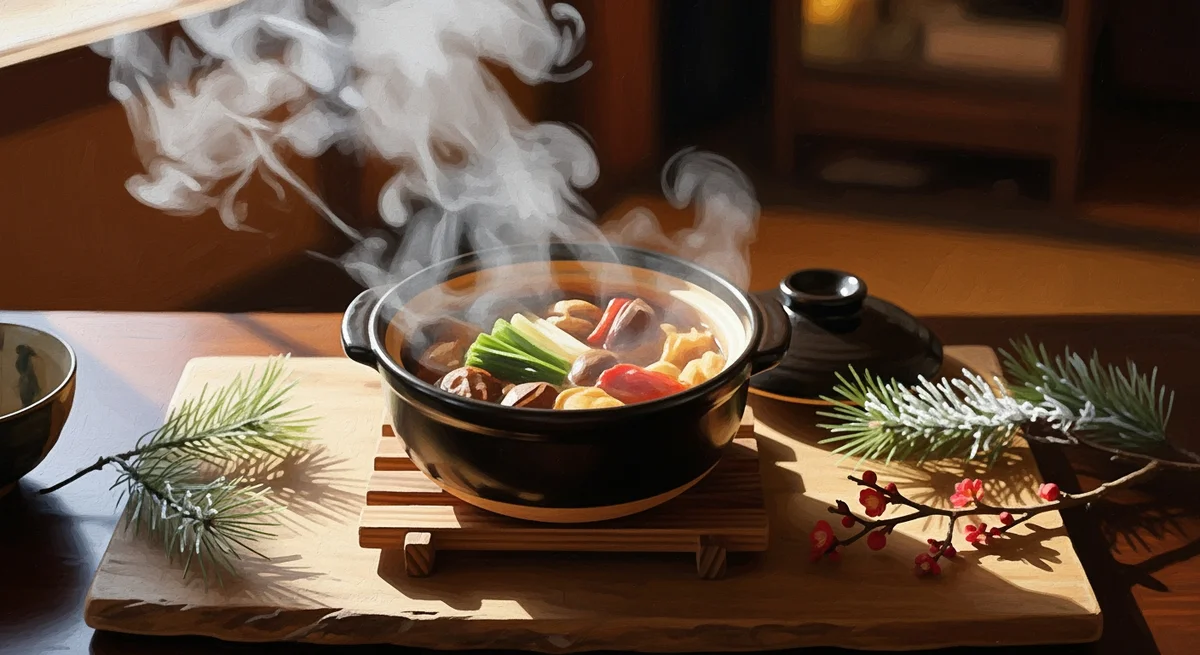
The Soul-Soothing Magic of Donabe: Why Clay Pots Rule Japanese Winters

The Gentle Embrace of the Donabe
Remember that scene in Whisper of the Heart? Shizuku, after pouring her heart and soul into her first novel, finds solace and a deep sense of comfort in a steaming bowl of Nabeyaki Udon. What makes that moment so poignant isn't just the food, but how it's served – in a traditional Japanese clay pot, a donabe. It's more than just a cooking vessel; it’s a symbol of warmth, family bonding, and nourishing the body and soul, especially when the chill of winter sets in.
Donabe (pronounced doh-NAH-beh) literally means “clay pot,” and these humble yet magnificent pots have been a staple in Japanese kitchens for centuries. While they might look simple, their magic lies in their unique material and construction, offering a cooking experience that metal pots just can't replicate.
What Makes a Donabe So Special?
At its heart, a donabe is a ceramic pot, typically made from special coarse clay that can withstand high heat and direct flame. Unlike thin metal pots that heat up quickly and can lead to scorching, donabe possess incredible thermal properties:
- Slow, Even Heating: The thick clay walls heat up gradually and evenly, distributing warmth gently to your ingredients. This slow and steady approach is perfect for simmering and stewing, allowing flavors to meld beautifully without aggressive boiling.
- Exceptional Heat Retention: This is where donabe truly shine. Once heated, they hold onto that warmth for an astonishingly long time. Imagine serving a hot pot dish at the table, and it stays piping hot for the entire meal, no need for constant reheating. This isn't just convenient; it contributes to that communal, relaxed dining experience that encourages lingering over a meal, perfect for family gatherings and intimate dinners.
- Unyielding Flavor Development: The slow, gentle heat and the pot's natural properties allow ingredients to slowly release their flavors, creating richer, deeper broths and more tender meats and vegetables. It’s a subtle but profound difference you can taste.
- Versatility in the Kitchen: While most famous for hot pots, donabe are incredibly versatile. They can be used for simmering stews, cooking perfect rice, steaming, grilling (specialized models), and even roasting smaller items in an oven.
Types of Donabe: A Pot for Every Purpose
Just like there are many styles of Japanese cuisine, there are various donabe designed for specific culinary tasks:
- Classic Nabe Donabe: The most common type, typically round with a lid, perfect for communal hot pots (nabe) like Shabu-shabu or Sukiyaki, and individual portions of Nabeyaki Udon.
- Kakomi (Rice Cooker) Donabe: Designed with a heavier lid and sometimes an inner lid to create optimal pressure for cooking perfectly fluffy, moist rice (takikomi gohan).
- Tagine-style Donabe: Featuring a tall, conical lid, these are excellent for steaming and retaining moisture, ideal for vegetables and delicate dishes.
- Smoker Donabe: Equipped with a special rack and a tight-fitting lid, these allow you to smoke ingredients right on your stovetop.
Caring for Your Donabe: A Love Affair for Longevity
A donabe isn't just a kitchen tool; it's an heirloom. With proper care, it can last for decades, becoming a cherished part of your culinary journey.
- Seasoning (Medome): Before first use, donabe need to be seasoned. This usually involves simmering a pot of rice porridge (okayu) to seal the pores and prevent cracking.
- Gentle Cleaning: Always hand-wash with mild soap and a soft sponge. Avoid harsh abrasives or dishwashers.
- Thorough Drying: The most crucial step! Donabe are porous and can absorb moisture. After washing, ensure it's completely dry before storing to prevent mold and odors. Air dry upside down, or gently dry over very low heat.
- Avoid Extreme Temperature Changes: Never place a hot donabe on a cold surface or run cold water into a hot pot, as this can cause cracking.
Embrace the Donabe Experience
The true magic of a donabe isn't just in its ability to cook food perfectly; it's in the experience it creates. It slows you down, encourages shared meals, and infuses your dishes with a warmth that transcends mere temperature. From the simple comfort of a single-serving Nabeyaki Udon to a bubbling hot pot shared with loved ones, the donabe transforms a meal into a moment of connection and contentment.
So, this winter, consider inviting a donabe into your home. Let its ancient wisdom warm your kitchen, your table, and your soul, just like that comforting bowl of udon did for Shizuku.