
The Secret of Tadka: Unlocking the Soulful Flavors of Indian Cooking

Introduction: The Sizzle That Transforms a Dish
Ever wondered what gives Indian food its incredible depth, its intoxicating aroma, and that unmistakable warmth? Often, the answer lies in a simple yet profound technique called Tadka (also known as chaunk in some regions). It's more than just a cooking step; it's an art form, a flavor infusion that elevates a humble dish to something extraordinary. If you've ever enjoyed a comforting bowl of dal or a vibrant vegetable curry, chances are, tadka was the secret ingredient at its heart.
Think of tadka as the flavor base, the aromatic foundation upon which many Indian dishes are built. It’s the moment when whole spices, aromatics, and sometimes herbs are gently bloomed in hot fat, releasing their essential oils and transforming their raw potency into fragrant, mellow goodness. Mastering tadka is like gaining a superpower in the Indian kitchen – it opens up a world of authentic flavors.
What Exactly is Tadka?
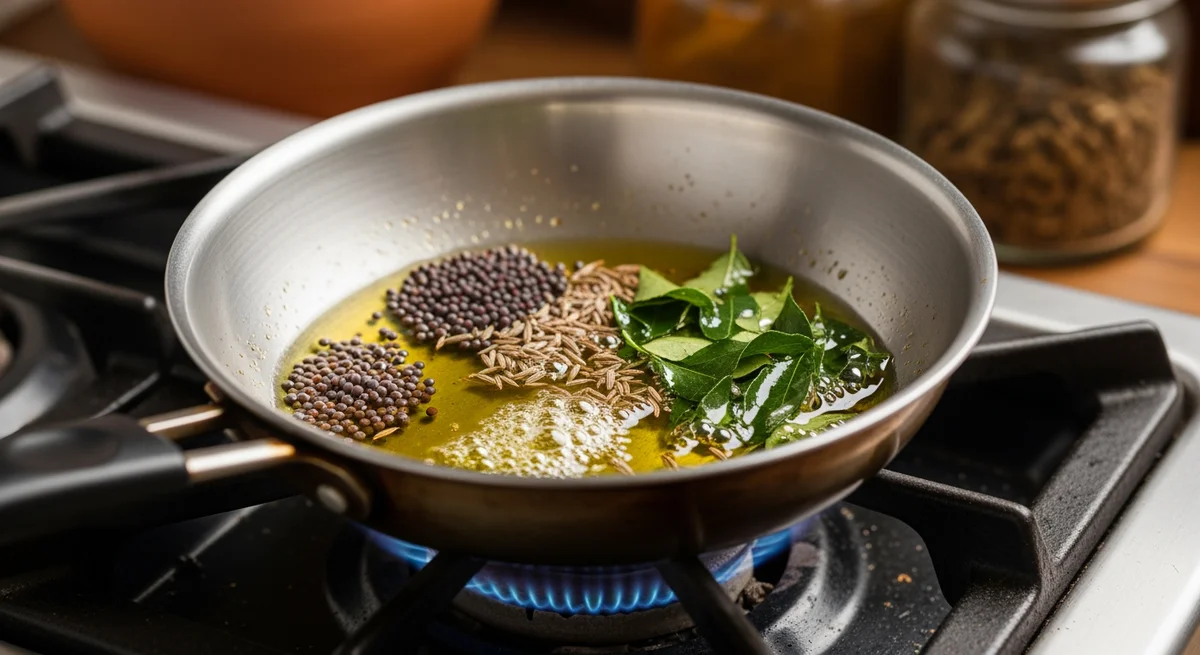
At its core, tadka is a tempering process. It involves heating a small amount of fat (typically ghee or oil) until it's shimmering, then adding a selection of whole spices and aromatics. These ingredients are briefly fried until they sputter, crackle, and release their fragrant compounds into the fat. This aromatic oil is then either poured over a cooked dish (like dal or yogurt raita) or used as the initial base for building a curry or sabzi.
Why temper spices? Because many spices, especially whole ones, contain flavor molecules that are fat-soluble. Heating them gently in oil or ghee helps extract and distribute these flavors evenly, creating a much more complex and rounded taste profile than simply adding them raw. It's the difference between a flat, one-dimensional flavor and a vibrant, multi-layered culinary experience.
The Essential Components of a Tadka
While the exact combination varies by region and dish, a typical tadka involves a few key players:
- Fat: Ghee (clarified butter) is traditional and imparts a rich, nutty flavor. Neutral oils like vegetable, sunflower, or peanut oil are also commonly used, especially for vegan dishes. Mustard oil is popular in some regional cuisines for its pungent kick.
- Whole Spices: These are the heart of tadka. Common examples include:
- Mustard Seeds: Pop and sputter, releasing a pungent, slightly bitter flavor.
- Cumin Seeds: Earthy, warm, and slightly nutty.
- Fenugreek Seeds: (Methi) Used sparingly for their distinct bitter undertone.
- Asafoetida (Hing): A pungent resin that, when bloomed, mimics onion/garlic notes and aids digestion.
- Dried Red Chilies: For heat and a smoky aroma.
- Curry Leaves: Aromatic, with a unique citrusy, nutty, and slightly bitter flavor.
- Urad Dal (Split Black Gram): Sometimes added for a textural crunch.
- Aromatics (Optional): Finely chopped garlic, ginger, green chilies, or onions are often added after the whole spices have bloomed, cooked until fragrant or softened.
How to Master the Sizzle: Steps for a Perfect Tadka
- Choose Your Fat: Heat 1-2 tablespoons of ghee or oil in a small pan (a tadka pan is ideal) over medium heat until it shimmers. Test by dropping a single cumin seed – if it sizzles immediately, the fat is ready.
- Add Whole Spices: Add the spices that take longer to cook first, typically mustard seeds. Once they begin to splutter and pop (cover with a lid if they jump too much!), add cumin seeds, fenugreek, and urad dal. Cook for another 10-15 seconds until fragrant.
- Introduce Aromatics & Herbs: Next, add dried red chilies, asafoetida (hing), and curry leaves. If using garlic, ginger, or green chilies, add them now and sauté until fragrant, taking care not to burn them. Onions, if used, should be added after this and cooked until translucent or golden brown.
- The Grand Finale: As soon as the spices are fragrant and the aromatics are cooked, remove the pan from heat. The tadka is now ready to be used!
Tadka Variations & Uses
There are two primary ways tadka is incorporated into Indian cooking:
- Initial Tempering (Base Tadka): Here, the tadka is the very first step in preparing a dish. After tempering the spices, other ingredients like vegetables, lentils, or sauces are added directly to the same pot, building the dish's flavors from the ground up. This is common for many curries, sabzis (dry vegetable dishes), and rice preparations.
- Final Tempering (Garnish Tadka): In this method, the tadka is prepared separately and poured over an already cooked dish just before serving. This is famously done for dals (lentil soups), yogurt raitas, sambar, and sometimes even simple steamed rice, adding a fresh burst of aroma, flavor, and visual appeal.
Tips for a Flavorful Tadka
- Heat Control is Key: Too low, and the spices won't bloom; too high, and they'll burn, turning bitter. Medium heat is usually best.
- Don't Burn Spices: Burnt spices are acrid and will ruin your dish. Keep a close eye and nose on them.
- Use Fresh Spices: Fresh, aromatic whole spices make an enormous difference to the final flavor.
- Listen and Smell: Your senses are your best guide. Listen for the sizzle and pop, and smell for the intoxicating fragrance.
- Experiment: Don't be afraid to try different combinations of spices to see what you prefer in various dishes.
Conclusion: The Sizzle of Authenticity
Tadka is more than just a technique; it's the heart and soul of Indian cooking, a testament to how simple ingredients can be transformed into something truly magical with a bit of heat and understanding. Mastering the art of tadka will not only elevate your Indian dishes but connect you to centuries of culinary tradition. So, next time you're in the kitchen, embrace the sizzle, unlock the aroma, and experience the soulful flavors that only a perfectly executed tadka can bring.