
The Secret Ingredient You're Missing: How Toasted Milk Powder Elevates Your Baking

A Simple Hack That Changes Everything
There are some baking tricks that feel almost too simple—but once you try them, you can’t go back. For me, and for many seasoned bakers, toasted milk powder is one of those revelations. It's a humble ingredient, often overlooked, yet when gently coaxed with a little heat, it transforms into a flavor powerhouse that can elevate almost any baked good.
I first experimented with it while developing recipes, driven purely by curiosity. What I didn’t expect was the sheer depth and complexity it could add. Think of it like a shortcut to a profound, nutty, almost caramel-like flavor—similar to brown butter, but without the fuss of separating solids or the risk of burning. It's stable, easy to store, and incredibly versatile.
Now, it’s a staple in my pantry. I reach for it when making cookies, cakes, even frostings. It adds that elusive 'something special' that people notice, even if they can't quite put their finger on what it is. It's the kind of subtle enhancement that makes your baking taste more professional, more finished.
The Magic Behind the Toast
So, what exactly happens when you toast milk powder? It's all about the Maillard reaction, a chemical dance between amino acids and reducing sugars that occurs when food is heated. This same reaction is responsible for the golden crust on bread, the savory sear on a steak, and the rich aroma of roasted coffee.
When applied to milk powder, this reaction unlocks a treasure trove of flavors. The subtle sweetness of the lactose caramelizes, and the milk proteins brown, creating new aromatic compounds. The result is a richer, more complex flavor profile: think nutty, buttery, malty, and deeply caramelized, without any added sugar or fat. It’s concentrated milk flavor, but amplified and matured.
Pro Tip: While any milk powder will toast, full-fat milk powder tends to yield the most pronounced and delightful flavors due to its higher fat content, which contributes to the browning and aroma development. Skim milk powder works too, but the results might be slightly less intense.
Your Step-by-Step Guide to Toasted Milk Powder
The beauty of this hack lies in its simplicity. You don't need any special equipment or advanced culinary skills. Just a pan, some milk powder, and a little patience.
What you'll need:
- Dry Milk Powder: Full-fat is recommended for best flavor, but skim will also work.
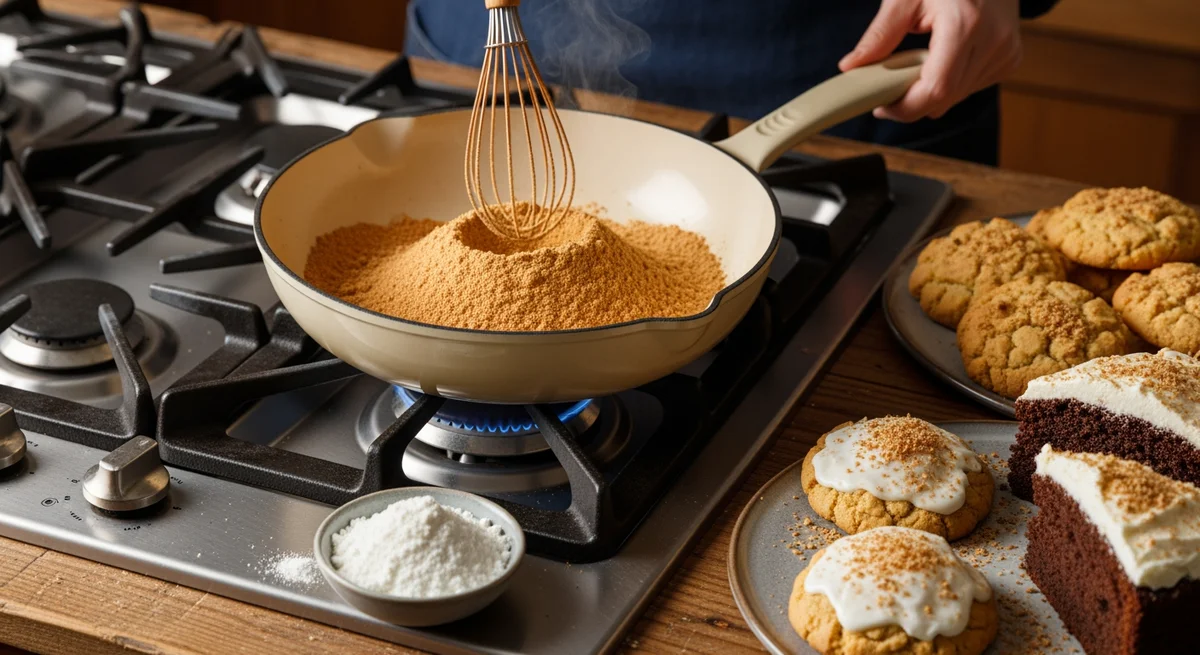
- A light-colored, heavy-bottomed skillet: A light interior helps you monitor the color changes easily. Cast iron or stainless steel works great.
- A whisk or heat-proof spatula: For constant stirring.
- A shallow plate or baking sheet: For cooling.
The Process:
- Prep Your Pan: Place your skillet over low to medium-low heat. The key here is gentle, even heat. We're aiming for a slow toast, not a quick burn.
- Add the Milk Powder: Pour your desired amount of milk powder into the dry skillet. Start with about
1/2 cupto1 cupif it's your first time, so you can get a feel for the process. - Stir Constantly: This is the most crucial step. Using your whisk or spatula, stir the milk powder continuously. Don't walk away! Milk powder can go from perfectly golden to burnt in a matter of seconds. Keep it moving to ensure even toasting and prevent hot spots.
- Watch for Color Change: Initially, the powder will remain white, then gradually start to turn a pale yellow. Continue stirring as it progresses to a beautiful golden-brown color, similar to finely ground graham crackers or a light caramel. The process typically takes
5-10 minutes, depending on your heat and quantity. - Follow Your Nose: As it toasts, you'll start to smell a distinct, nutty, almost toffee-like aroma. This is your cue! When it smells wonderfully fragrant and reaches your desired golden hue, it's done.
- Cool Immediately: Remove the skillet from the heat immediately. Even off the heat, the residual warmth of the pan can continue to cook and potentially burn the powder. Transfer the toasted milk powder to a shallow plate or baking sheet to cool completely. Spreading it out helps it cool down faster.
- Sift (Optional): Once cooled, you might notice a few tiny clumps. You can sift the toasted milk powder through a fine-mesh sieve if you want a super-fine, uniform product, but it's not strictly necessary for most applications.
Where to Sprinkle the Magic: Baking Applications
Once you have a batch of this golden goodness, the possibilities are endless. Here are some of my favorite ways to incorporate toasted milk powder into everyday baking:
- Cookies: This is where it truly shines! Add
1-2 tablespoonsto your favorite chocolate chip cookie recipe, snickerdoodles, or shortbread. It deepens the flavor profile, adding a sophisticated, caramelized note that makes people wonder what your secret is. - Cakes & Muffins: Stir it into the dry ingredients for yellow cakes, coffee cakes, banana bread, or muffins. It enhances the overall richness and gives a more profound, 'baked' flavor.
- Frostings & Glazes: Whisk
1-2 tablespoonsinto buttercream, cream cheese frosting, or simple glazes. It adds an incredible depth that balances sweetness and provides a lovely complexity. Imagine a toasted milk powder buttercream on a vanilla cake! - Custards & Puddings: Incorporate it into the base for panna cotta, rice pudding, or crème brûlée. The nutty notes pair beautifully with creamy textures.
- Breads: For enriched breads like brioche or milk bread, substitute a small portion of the regular milk powder (if the recipe calls for it) with toasted milk powder, or add
1-2 tablespoonsdirectly to the dry ingredients for an extra layer of flavor. - Ice Cream: If you make homemade ice cream, add
1-2 tablespoonsto the base. It will make your ice cream taste incredibly creamy and rich, with a lovely malty undertone. - Granola & Cereal: Sprinkle it over homemade granola before baking, or stir it into hot oatmeal or other cooked cereals for an instant flavor boost.
- Hot Cocoa: Whisk a teaspoon into your next cup of hot cocoa for a deeper, more indulgent chocolate experience.
Tips for Success and Storage
- Don't Overcrowd the Pan: Work in batches if you're toasting a large amount to ensure even browning.
- Err on the Side of Low Heat: It's better to toast slowly and gently than to risk burning it. If it starts to smell burnt, discard it and start over.
- Cool Completely: Make sure the toasted milk powder is entirely cool before storing it or adding it to other ingredients. This prevents condensation and keeps it from clumping.
- Storage: Store your toasted milk powder in an airtight container at room temperature, just like you would regular milk powder. It will keep for several months, ready whenever inspiration strikes.
The Small Step, Big Difference
As someone who has spent years refining recipes, this is one of those little secrets I absolutely love sharing. It's simple, reliable, and instantly elevates your baking from good to truly exceptional. It's a testament to how small, thoughtful techniques can make a monumental difference in the final taste.
So, grab some milk powder, heat up that skillet, and prepare to unlock a whole new dimension of flavor in your kitchen. Happy toasting!