
Mastering the Butcher Shop: How to Choose Meat Like a Gaúcho Pro

The Secret to a Legendary Gaúcho Feast: It Starts at the Butcher
A true Gaúcho feast isn't just a meal; it's a celebration, a tradition, and an art form where the star of the show is always the meat. And guess what? The secret to transforming a simple barbecue into that legendary experience doesn't start with the fire, the seasonings, or even the chef's technique. It begins long before, right at the butcher shop. Choosing the perfect cut of beef is the single most critical step, ensuring every bite is tender, juicy, and bursting with flavor.
You don't need years of butchery experience to pick out the good stuff; you just need to know what signs to look for. Let's dive into how you can select meat like a seasoned pro and guarantee your guests will be utterly impressed, perhaps even asking for your secret!
1. The Magic of Marbling: Your Flavor Blueprint
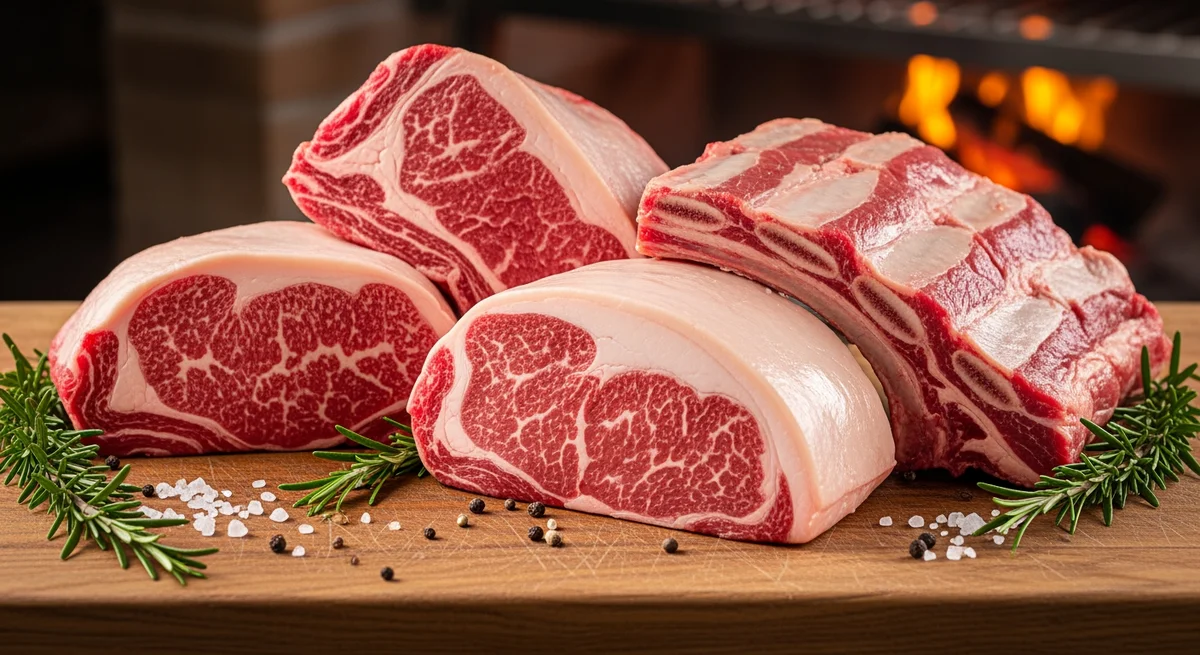
The first, and arguably most important, thing you'll want to inspect is the marbling—those beautiful, delicate white flecks and streaks of intramuscular fat woven directly through the red muscle fibers of the beef. This isn't the thick, external layer of fat (though that has its own importance, especially for cuts like Picanha!). No, this is the internal gold.
As your chosen cut cooks over the embers, this precious marbling slowly melts, essentially basting the meat from the inside out. This natural self-basting process is the ultimate secret weapon for achieving that coveted "melt-in-your-mouth" texture and a deep, incredibly buttery flavor profile that defines a truly great piece of churrasco. If your meat looks too lean, with very little or no visible marbling, be warned: it's highly likely to turn out dry and tough, especially under the high, direct heat of a traditional Gaúcho grill. Look for consistent, fine streaks of fat evenly distributed throughout the muscle.
2. Color and Freshness: A Visual Guide
Beyond marbling, the color of the beef itself tells a big story about its freshness and quality. High-quality, fresh beef should proudly display a vibrant, cherry-red color. This rich hue is a good indicator that the meat has been properly handled and stored. If you notice the meat appearing brownish, dark purple, or even greyish in spots, it's a red flag. These colors often suggest that the meat has been exposed to oxygen for too long, improperly stored, or is simply nearing its expiration date. You want that bright, inviting red!
Don't forget to examine the fat cap, if present. For cuts like Picanha, the fat cap is crucial. This external fat should be a healthy, creamy white or, at most, a very pale yellow. This indicates a well-nourished animal and fresh meat. Steer clear of any cuts where the fat looks grey, translucent, overly soft, or even oily. These are signs that the meat isn't fresh, might have been frozen and thawed poorly, or came from an older, less tender animal, which will inevitably impact both flavor and texture.
3. Texture and Firmness: The Touch Test
While you might not always be able to touch the meat directly (especially at a supermarket), if you can, a quality piece of beef should feel firm and "springy" to the touch. It should never feel mushy, slimy, or overly wet. A slight give is fine, but it should bounce back.
Butcher Tip:
If you're purchasing vacuum-packed meat – a common and convenient option – pay very close attention to the liquid inside the bag. A small amount of natural juices (often called purge) is perfectly normal and expected. However, if you see an excessive pool of blood or a large amount of murky liquid, that's a sign that the meat has lost a significant portion of its natural juices during storage. This loss of moisture will directly translate to a less succulent, drier final product when it hits your grill. A good rule of thumb: less liquid in the bag usually means more juice in your steak!
4. Master the Classic Gaúcho Cuts
For an authentic Gaúcho experience, knowing your cuts is paramount. Each one offers a unique profile perfect for the churrasco tradition:
-
Picanha (Sirloin Cap): The undisputed king of Gaúcho barbecue, Picanha is revered for its incredible flavor and, most famously, its iconic, thick fat cap. This cap is not to be removed before grilling! As it cooks, it slowly renders, basting the meat and infusing it with unparalleled juiciness and flavor. Look for a Picanha with a uniform fat cap, about
1/2 to 1 inchthick, and that vibrant cherry-red meat underneath. -
Maminha (Tri-tip): If extreme tenderness is what you're after, Maminha is an excellent choice. This triangular cut from the bottom sirloin is leaner than Picanha but incredibly flavorful and tender when cooked correctly (often sliced against the grain after grilling). It's a fantastic option for those who prefer less fat but still want that rich beefy taste.
-
Vazio (Flap Meat): For those who prioritize an intense, beefy flavor and a satisfying chew, Vazio is an unsung hero. This cut, often overlooked, comes from the plate section and is known for its coarse grain and robust taste. It benefits from quick, high-heat grilling and slicing against the grain to maximize tenderness. Its unique texture holds marinades well, though for churrasco, often just coarse salt is enough.
-
Costela (Beef Ribs): The ultimate test of a griller's patience and skill, Costela refers to beef ribs. These are not your typical American BBQ ribs; Gaúcho Costela is often large, bone-in sections (like plate ribs or short ribs) that require long, slow cooking over indirect heat to achieve fall-off-the-bone tenderness and incredible richness. It's a labor of love, but the rewarding depth of flavor is unmatched. Look for meaty ribs with good marbling.
5. The "Squeeze" Test and Final Checks
If you're at a butcher counter where you can interact directly with the meat, gently press on it. A well-marbled cut with firm, rather than soft or squishy, fat is a strong indicator of quality. The fat should feel solid and resilient.
Remember: a legendary churrasco doesn't magically happen on the grill; it absolutely starts at the butcher shop. When you begin with a premium product, selected with care and knowledge, you genuinely need nothing more than good quality coarse salt (like rock salt or sea salt) and a steady, well-managed flame to let the inherent quality of the beef shine through. Trust the meat, and it will reward you with an unforgettable feast.
Beyond the Butcher: What to do at Home
Once you've chosen your magnificent cuts, the journey isn't quite over. Proper handling at home is key to maintaining that quality.
- Storage: If you're not grilling immediately, store your meat in the coldest part of your refrigerator, ideally in its original packaging or wrapped tightly to prevent air exposure.
- Bringing to Temperature: For best results, allow your meat to come to room temperature for
30-60 minutesbefore grilling, especially for thicker cuts. This promotes more even cooking. - Seasoning Simply: For authentic Gaúcho churrasco, less is more. Coarse salt is typically all you need. Apply it generously just before grilling, allowing it to draw out moisture and form a beautiful crust.
Conclusion: Your Path to Churrasco Excellence
Becoming a master of the Gaúcho grill starts with understanding and respecting the ingredient itself. By paying attention to marbling, color, texture, and knowing your classic cuts, you're not just buying meat – you're investing in an experience. So next time you're at the butcher, armed with these tips, choose with confidence, fire up your grill, and prepare to impress your guests with a feast that truly honors the rich traditions of the Gaúcho. Enjoy the sizzle, the aroma, and most importantly, the incredible taste of perfectly chosen beef!