
Mastering Sabayon: Your Simple Guide to Achieved Sabayonage

Introduction: Demystifying Sabayon
Sabayon is one of those classic culinary techniques that, at first glance, can feel a little intimidating. The idea of whisking egg yolks over heat without scrambling them sounds like a high-wire act for many home cooks. But here's the secret: once you understand the basic principles and a few key tips, it becomes surprisingly simple and incredibly rewarding. It's a foundational skill that opens up a world of delightful desserts and even some savory applications.
At its core, sabayon (also known as zabaglione in Italian) is an emulsified custard made by gently whisking egg yolks, sugar, and a liquid (often wine or milk) over low heat until it becomes light, airy, and creamy. It's a testament to how simple ingredients, when treated with care, can transform into something truly magical.
The Anatomy of a Perfect Sabayon
Before we dive into the 'how,' let's understand the 'what.' Sabayon relies on a delicate balance:
- Egg Yolks: These are the backbone, providing richness and the emulsifying power that allows the sabayon to thicken and hold air.
- Sugar: Sweetens the sabayon and helps to stabilize the egg foam, preventing it from collapsing too quickly.
- Liquid: Traditionally Marsala wine, but also sparkling wines, fruit juices, or even milk. This adds flavor and helps create the creamy texture.
- Heat & Movement: The gentle heat cooks the eggs and thickens the mixture, while constant whisking incorporates air and prevents curdling.
Your Best Friend: The Double Boiler
One of the most important things I’ve learned as a recipe developer is to always control your temperature, especially when working with eggs. If the heat is too high, the eggs can scramble, and there’s no going back. That’s why using a double boiler – or simply placing a heat-proof bowl over a pot of simmering water – is absolutely essential for sabayon.
Pro Tip: Ensure the bottom of your mixing bowl doesn't touch the simmering water. You want the steam's gentle, indirect heat to cook the eggs, not the direct heat from the water. This gives you far more control and prevents those dreaded scrambled bits from forming at the bottom of your bowl.
To set up your double boiler:
- Fill a saucepan with about 1-2 inches of water. Bring it to a gentle simmer over medium-low heat.
- Choose a heat-proof bowl (metal or glass) that fits snugly over the saucepan without touching the water.
- Have your whisk, egg yolks, sugar, and liquid ready to go.
The Whisking Marathon: Building Structure and Air
Once your double boiler is ready, the real work (and fun!) begins. Combine your egg yolks and sugar in the bowl, and begin whisking immediately, even before placing it over the simmering water. This helps dissolve the sugar and prevents it from 'burning' the yolks.
- Start Cold: Whisk the egg yolks and sugar together in your bowl until well combined and slightly pale, then add your chosen liquid.
- Over the Heat: Place the bowl over the simmering water. Now, this is where the marathon comes in: you need to whisk continuously and vigorously. Think of it as a rhythmic dance between your whisk and the mixture.
- Constant Motion: Keep your whisk moving in a figure-eight pattern or broad circles, ensuring you scrape the sides and bottom of the bowl. This not only prevents curdling but also helps incorporate air, giving sabayon its signature light, frothy texture.
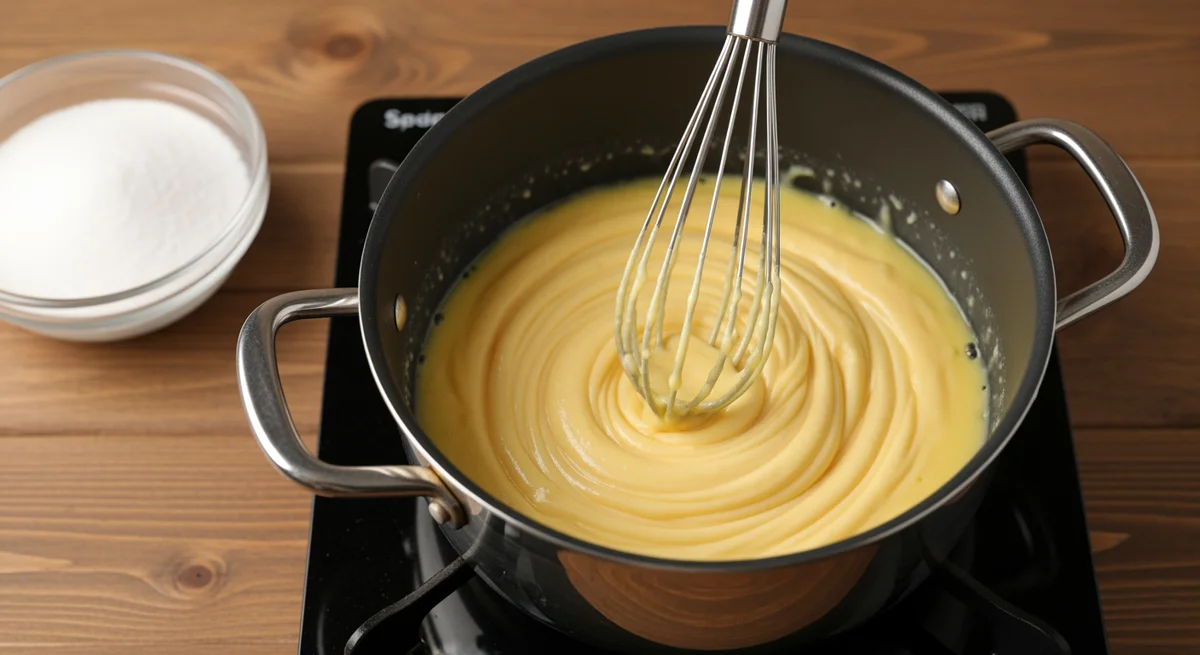
- Watch for Clues: You’ll know it’s ready when it becomes pale, thick, and forms soft ribbons when lifted with the whisk. The volume will significantly increase, often doubling or tripling. Another good indicator is when the whisk leaves a trail in the sabayon that slowly fades.
Don't Rush It! This process can take anywhere from
7-15 minutes, depending on your heat and whisking intensity. Patience is key. If it looks like it's thickening too quickly or getting too hot, simply lift the bowl off the heat for a few seconds while continuing to whisk, then return it.
Choosing Your Liquid: Flavor Explorations
While Marsala wine is the classic choice for a traditional sabayon, the beauty of this technique lies in its versatility. You can truly make it your own!
- Classic Marsala: A sweet, fortified wine from Sicily, it offers a rich, nutty, and slightly caramelized flavor that pairs beautifully with many desserts.
- Sparkling Wine: For a lighter, brighter sabayon, try Prosecco, Cava, or even Champagne. These add a wonderful effervescence and fruity notes, perfect for fruit desserts.
- Sweet White Wine: Think Moscato d'Asti or a late-harvest Riesling for a gently sweet and aromatic sabayon.
- Fruit Juices: For an alcohol-free version, apple cider, orange juice, or even berry purees (strained) can work well. Adjust sugar levels as needed.
- Coffee or Tea: A strong brew can add an interesting depth, especially for tiramisu or coffee-flavored desserts.
Sweetening and Flavoring: Beyond the Basics
Most sabayon recipes call for granulated sugar, but superfine (caster) sugar dissolves more quickly, which can be helpful. You can also infuse your sabayon with other flavors:
- Vanilla: A splash of vanilla extract or the seeds from half a vanilla bean are always a welcome addition.
- Citrus Zest: Finely grated lemon, orange, or lime zest adds a bright, fresh aroma.
- Spices: A pinch of cinnamon or nutmeg can warm up a sabayon, especially if pairing with autumn fruits.
- Liqueurs: A touch of Grand Marnier, Amaretto, or Frangelico can enhance specific flavor profiles.
Common Pitfalls and How to Fix (or Avoid) Them
- Scrambled Eggs: The most common fear! This happens when the heat is too high or whisking is insufficient. Always use a double boiler, keep the bowl from touching the water, and whisk constantly. If you see tiny bits of cooked egg, remove from heat, whisk vigorously, and if it's not too bad, you might strain it. Otherwise, it's best to start over.
- Sabayon is Too Thin: This means it hasn't cooked enough or hasn't incorporated enough air. Return it to the double boiler and continue whisking until it thickens and forms ribbons.
- Sabayon is Too Thick/Rubbery: Overcooking can lead to a dense, rubbery texture. This is harder to fix. Remove from heat immediately, whisk until cooled slightly. Sometimes a splash of additional liquid can help loosen it, but it's best to avoid this by removing it from the heat as soon as it reaches the desired consistency.
Serving Suggestions: The Versatility of Sabayon
In my own kitchen, sabayon is one of those techniques I keep coming back to – especially when making desserts like tiramisu. It's simple, but when done right, it elevates everything.
- Classic Dessert: Serve warm sabayon over fresh berries (strawberries, raspberries, mixed berries), poached pears, or grilled peaches. The contrast of warm, creamy sabayon with cool, fresh fruit is divine.
- Tiramisu Enhancement: A light sabayon can replace or augment the traditional mascarpone cream, adding an even more ethereal texture to tiramisu. Some even fold in mascarpone after the sabayon is cooked.
- Cake Companion: Drizzle sabayon over slices of pound cake, angel food cake, or even a simple sponge cake.
- Pie or Tart Topping: A dollop of sabayon can make a simple fruit tart feel incredibly luxurious.
- Savory Applications: While less common, savory sabayons made with chicken or vegetable broth, or even cheese, can be served with asparagus, seafood, or as a light sauce for poached eggs.
Conclusion: The Reward of Patience
As Ryanne Hamdali aptly puts it, understanding small techniques like this can make a big difference. Mastering sabayon isn't just about whisking eggs; it's about learning patience, temperature control, and the magic of emulsion. Once you get the feel of it – the way the whisk feels heavier, the way the mixture transforms from thin liquid to a luscious, airy cloud – sabayon becomes less of a “technical step” and more of a natural, intuitive part of your baking process. Give it a try; the delicious results are truly worth the effort!