
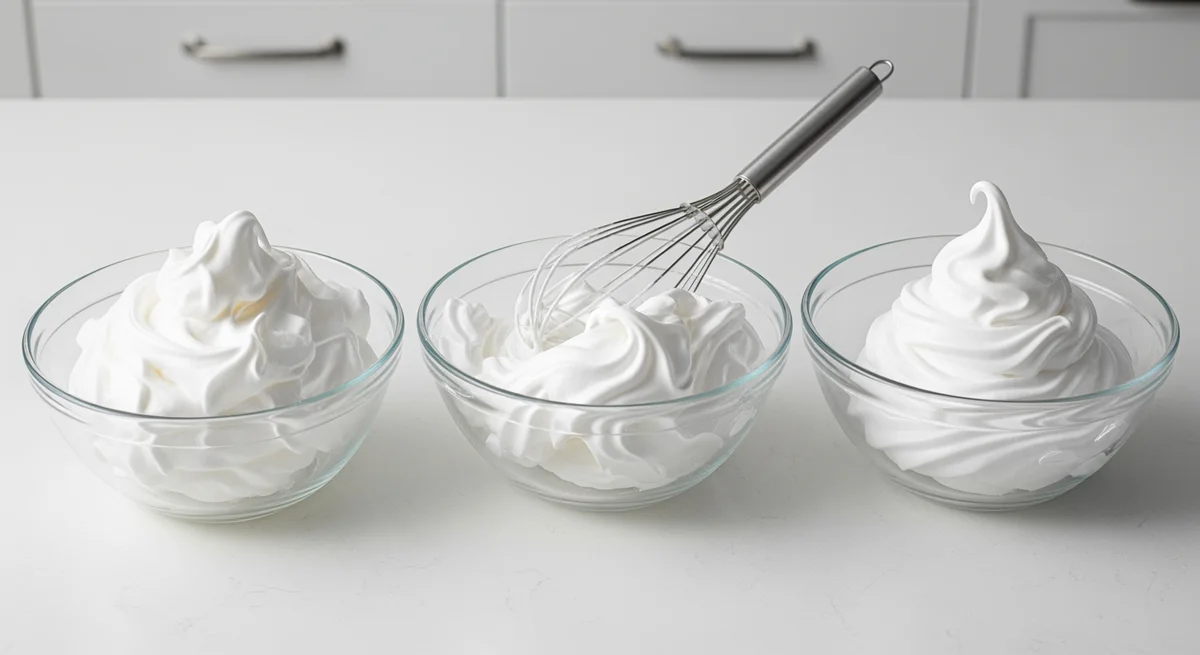
Mastering Meringue: Your Guide to Perfect Soft, Medium, and Stiff Peaks

The Magic of Meringue: From Egg White to Culinary Cloud
There's something truly enchanting about meringue. It starts as humble egg whites, but with a little whisking magic and some sugar, it transforms into a glossy, ethereal cloud. Whether you're aiming for a light and airy mousse, a fluffy frosting, or crisp meringue cookies, understanding the nuances of meringue peaks is your secret weapon. As a fellow baking enthusiast and recipe developer, I know that consistent results come from truly seeing and feeling the meringue's stages, rather than just guessing.
It might seem intimidating at first, but once you get a feel for it, you'll be whipping up perfect meringues every time. Let's dive into the world of egg whites, sugar, and air!
The Science Behind the Fluff
Before we get to the peaks, let's quickly understand what's happening. Meringue is essentially egg whites aerated with sugar. When you whisk egg whites, you're incorporating air, and the protein in the egg whites denatures and forms a stable foam around those air bubbles. Sugar then comes in to stabilize this foam, making it stronger, glossier, and more resilient. A little acid (like cream of tartar or lemon juice) can help the proteins unravel and strengthen the structure even further.
Essential Tools for Meringue Success
Your tools are crucial here. You'll need:
- A very clean bowl: Glass or metal bowls are best. Even a tiny speck of grease (from your hands, a greasy utensil, or a bit of egg yolk) can prevent your egg whites from whipping up properly. Give it a good wash with soap and water, then wipe it down with a paper towel dampened with a bit of lemon juice or vinegar for extra assurance.
- A whisk or electric mixer: For serious meringue making, an electric hand mixer or a stand mixer with a whisk attachment is your best friend. It saves your arm and provides consistent speed.
- Room temperature egg whites: Cold eggs are harder to separate and take longer to whip. Let your eggs sit out for
20-30 minutesbefore using them.
Stage 1: The Gentle Embrace of Soft Peaks
Imagine a gently rolling hill – that's your soft peak meringue. When you lift your whisk or beaters out of the meringue, the peak that forms will stand up briefly before gracefully folding over onto itself, like a soft serve ice cream cone that's just starting to melt.
What they look like: The meringue will be white, slightly foamy, and still have a very delicate, almost liquid consistency at the base. It won't hold a super defined shape, but it's definitely thicker than unwhipped egg whites.
When to use them: Soft peaks are perfect for applications where you want to incorporate air without adding too much structure. Think:
- Folding into mousses or soufflés: They blend beautifully into other ingredients, creating a light, airy texture without weighing things down.
- Lightening batters: Some cake or pancake recipes call for folding in soft peaks to make them extra tender.
- Some delicate custards or creams: Where just a touch of aeration is needed.
Pro Tip: When aiming for soft peaks, start with a medium speed and incorporate your sugar gradually once the egg whites are foamy.
Stage 2: The Confident Curl of Medium Peaks
Moving up in firmness, medium peaks are where the meringue starts to gain real definition. When you lift your whisk, the peak will hold its shape much better, but the very tip will still have a slight, elegant curl or 'hook' at the end, like the crest of a gentle wave.
What they look like: The meringue will be noticeably thicker, glossier, and more opaque than soft peaks. It will look smooth and luxurious, and you'll feel more resistance when stirring it.
When to use them: Medium peaks are incredibly versatile and often called for in recipes where you need a good balance of airiness and stability. These include:
- Many frostings and fillings: Like a Swiss meringue buttercream, where you want a stable, pipeable texture that's still light.
- Some lighter meringue shells: If you're going for a slightly softer, chewier meringue.
- Incorporating into certain cake batters or dessert bases: Where a bit more structure is desired than soft peaks provide.
Observation is Key: This is the stage where you really need to keep a close eye on your meringue. It can quickly transition to stiff peaks, so watch for that characteristic slight curl!
Stage 3: The Unyielding Power of Stiff Peaks
This is the ultimate goal for many meringue-based desserts! Stiff peaks are firm, unwavering, and proud. When you lift your whisk, the peak will stand straight up, holding its shape perfectly without any drooping or curling. It should look like a perfectly formed, majestic mountain peak.
What they look like: The meringue will be incredibly thick, brilliantly white, and super glossy. It will feel very firm and stable, and if you gently invert the bowl (be brave!), the meringue should not budge.
When to use them: Stiff peaks are essential when you need maximum stability and structure from your meringue. This includes:
- Meringue cookies: For that crisp, melt-in-your-mouth texture.
- Pavlovas: The airy, delicate crust and soft interior rely on stiff peaks.
- Lemon meringue pie topping: To hold its shape beautifully and brown evenly.
- Baked Alaskas: Providing that insulating, delicious layer.
The Sugar Test: To check if your sugar is fully dissolved (which is crucial for glossy, stable stiff peaks), rub a tiny bit of meringue between your thumb and forefinger. If you don't feel any grittiness, your sugar is good to go!
The Danger Zone: Don't Over-Whip!
While we aim for stiff peaks, there's a point of no return. Over-whipping is a common mistake. Once meringue goes past stiff peaks, it starts to look dry, lumpy, and can even separate or look curdled. It loses its elasticity and glossy sheen. At this point, the proteins have been stressed too much, and the air bubbles start to burst, causing the meringue to break down. Unfortunately, there's no real way to save over-whipped meringue – it's best to start fresh.
How to avoid it: The key is to stop as soon as you reach your desired peak. Keep a close eye on your meringue, especially as it approaches stiff peaks. It can go from perfect to over-whipped in a matter of seconds, so be vigilant!
Meringue Mastery: Tips for Success
Beyond understanding the peaks, these tips will help you achieve consistent, beautiful meringue every time:
- Cleanliness is next to godliness: I can't stress this enough. Any fat (even a tiny bit of yolk) will prevent your egg whites from whipping. Ensure your bowl and whisk are spotless.
- Room temperature egg whites: They whip up faster and achieve more volume. Separate your eggs while cold (they separate more easily), then let the whites warm up.
- Gradual sugar addition: Don't dump all the sugar in at once! Start adding sugar slowly, a tablespoon at a time, once the egg whites are foamy (around soft peak stage). This allows the sugar to dissolve properly and stabilize the foam.
- A touch of acid: A pinch of cream of tartar (about
1/8 teaspoonper2 large egg whites) or a teaspoon of lemon juice or white vinegar helps stabilize the egg whites and makes them less prone to over-whipping. - Patience and observation: Don't rush the process. Pay attention to the visual cues and the way the meringue feels as you whisk.
Bringing It All Together
Mastering meringue is one of those foundational baking skills that truly elevates your results. It's less about following exact timings and more about understanding the visual and tactile cues of each stage. Practice makes perfect, and with each batch, you'll gain more confidence and intuition.
So, grab those egg whites, find your whisk, and start experimenting! Once you've got those perfect soft, medium, or stiff peaks down, a whole world of airy, delicious desserts will open up for you. Happy whisking!