
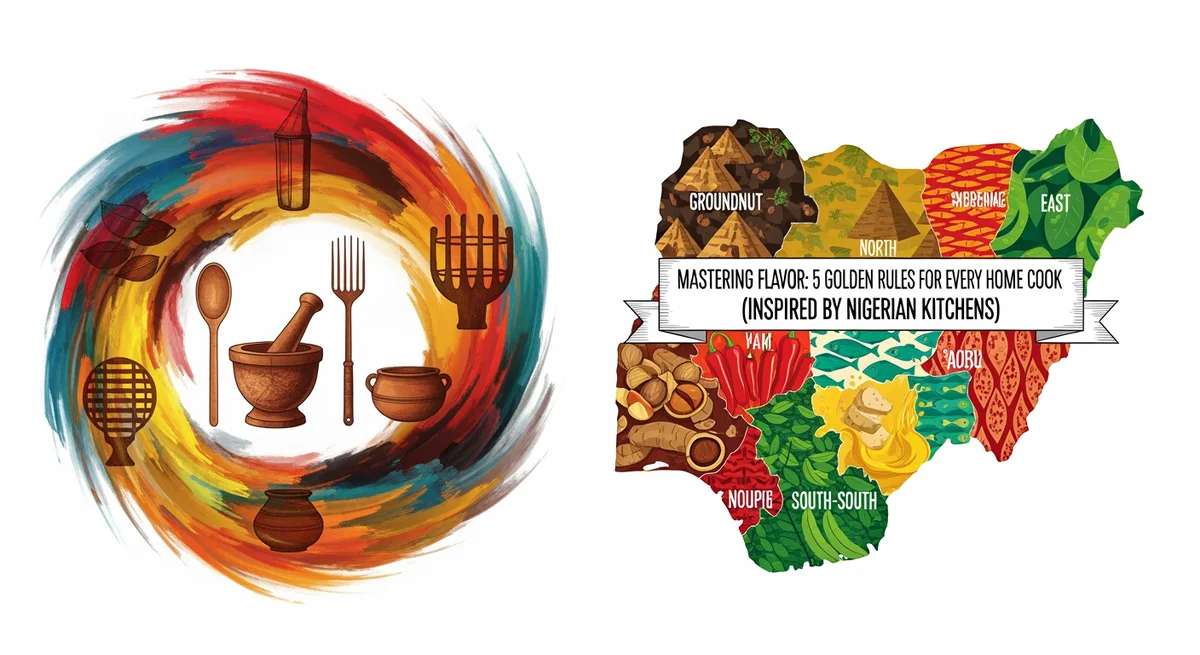
Mastering Flavor: 5 Golden Rules for Every Home Cook (Inspired by Nigerian Kitchens)

Unlock Deeper Flavors: The Secrets to Truly Delicious Cooking
Ever wondered what makes some home-cooked meals sing with flavor, while others fall a little flat? Often, it's not about complex recipes or exotic ingredients, but rather a mastery of fundamental techniques. Today, we're diving into five golden rules that can transform your cooking, drawing wisdom from the heart of Nigerian kitchens where flavor is king.
These principles are universal, but they truly shine when you see how they're applied in dishes renowned for their depth and richness. Get ready to elevate your culinary game!
1. Build Your Flavor Base Well: The Foundation of Taste
This is perhaps the most crucial step, especially in many Nigerian stews, sauces, and soups. Think about the beloved pepper and tomato mix (often called 'ata dindin' in certain contexts) that forms the base of so many iconic dishes like Jollof Rice, Red Stew, or Efo Riro. Rushing this step is a common mistake that can leave your food tasting raw or underdeveloped.
The golden rule here is patience. Properly frying your blended peppers, tomatoes, and onions isn't just about cooking out the raw taste; it's about transforming their flavors. As the mixture slowly simmers and fries, the water evaporates, and the natural sugars begin to caramelize. This process deepens the color, intensifies the sweetness, and builds incredible umami – that savory, satisfying depth that makes you want more.
- How to master it: Start with good quality oil (vegetable or palm oil, depending on the dish) on medium-low heat. Add your blended mix and let it simmer gently, stirring occasionally to prevent sticking. You'll know it's ready when the oil begins to separate from the pepper mix, collecting around the edges, and the color has deepened significantly. This can take anywhere from
20 to 40 minutes, sometimes even longer for larger batches. Don't rush; this is where the magic happens!
2. Season in Layers: A Symphony of Spice
Just as an artist builds a painting layer by layer, a great cook builds flavor. Tossing all your seasoning in at once, especially towards the end, often results in a one-dimensional taste. Layered seasoning ensures every component of your dish is flavorful, and the overall profile is rich and complex.
- First Layer: The Protein. Whether it's beef, chicken, fish, or even plant-based protein, marinate it first! Rub your meat with salt, pepper, garlic powder, onion powder, a touch of curry powder, thyme, or any spices relevant to your dish. Let it sit for at least
30 minutes, or ideally, several hours or overnight in the fridge. This infuses flavor deep into the protein itself, not just the sauce. - Second Layer: The Base. As your pepper mix (or other flavor base) cooks, add some seasoning to it. This allows the spices to bloom in the hot oil, releasing their full aroma and integrating into the foundation of your dish.
- Third Layer: The Simmer. Once you combine your seasoned protein with your flavorful base, let everything simmer together. This is when flavors meld and marry. Taste and adjust. Does it need more salt? A pinch of a certain herb? A touch of heat?
- Final Layer: The Finish. Just before serving, give it one last taste. Small adjustments of salt, a squeeze of lemon juice (for brightness), or a final sprinkle of fresh herbs can make all the difference.
3. Control Your Heat: The Gentle Hand of a Master
While searing on high heat has its place, for many dishes, especially stews, sauces, and rice, low to medium heat is your best friend. It’s the unsung hero that ensures even cooking, prevents burning, and allows flavors to truly develop without scorching.
- Even Cooking: High heat can cook the outside of your food rapidly while leaving the inside undercooked. Lower heat ensures everything cooks through gently and uniformly.
- Preventing Burning: This is critical for dishes like Jollof Rice, where burning the bottom layer is a common pitfall. A gentle simmer ensures the rice cooks through absorption without sticking or charring. Similarly, for thick stews like Egusi or Ogbono, gentle heat prevents the base from burning and allows the ingredients to meld beautifully.
- Flavor Development: Flavors need time to mingle and deepen. A rapid boil can sometimes dilute or flatten flavors, whereas a slow, gentle simmer allows ingredients to release their essences gradually, creating a more cohesive and richer taste experience.
Pro Tip: Don't be afraid to adjust your heat throughout the cooking process. If something is simmering too aggressively, turn it down. If it's not bubbling enough, nudge it up slightly. Your stovetop dial is a tool, use it!
4. Texture Matters: The Delight in Every Bite
Cooking is a multi-sensory experience, and texture plays a massive role in how we perceive and enjoy a dish. Think beyond just taste – the way something feels in your mouth can elevate a meal from good to unforgettable.
- Fluffy Rice: Who wants mushy, clumpy rice? Achieving individual, tender grains that aren't sticky is a triumph. This often comes down to precise water ratios and controlled heat.
- Thick, Luscious Soups & Stews: There’s a satisfying mouthfeel to a stew that has the right viscosity – thick enough to coat the spoon but still pourable, indicating a well-developed base and perfectly cooked ingredients.
- Crispy Goodness: Whether it's the slightly charred edges of grilled plantain, the crispy skin on roasted chicken, or a perfectly fried snack, that crunch adds an exciting contrast.
- Tender Meats & Vegetables: Meat that falls off the bone, or vegetables that are cooked through but still retain a slight bite rather than being soggy, shows attention to detail.
Pay attention to the textures you're aiming for. Don't overcook vegetables if you want them crisp, and don't undercook stews if you want them thick and rich.
5. Taste as You Cook: Your Palate is Your Best Tool
This might seem obvious, but it's astonishing how many home cooks rely solely on a recipe's measurements without tasting along the way. Your palate is your most powerful tool, and using it frequently helps you adapt and perfect your dishes.
- Why it's crucial: Ingredients vary in intensity (some tomatoes are sweeter, some peppers hotter, some saltier). Evaporation during cooking concentrates flavors. A recipe is a guide, but your taste buds are the ultimate judge.
- When to taste: Taste after adding major components, after a period of simmering, before adjusting seasonings (especially salt!), and always right before serving. Use a clean spoon each time to maintain hygiene and get an accurate taste.
- What to adjust for: Is it missing salt? A touch of acidity (lemon, lime, or even a bit of vinegar) can brighten a dish. Does it need more heat? A pinch of sugar can balance bitterness. Does it need more umami? A dash of soy sauce or bouillon can help.
Trust your instincts! The more you taste and adjust, the more confident you'll become in understanding what your food needs.
Bring It All Together: Cook with Confidence
These five principles aren't just rules; they are the foundation upon which truly great cooking is built. By building your flavor base well, seasoning in layers, controlling your heat, paying attention to texture, and constantly tasting, you're not just following a recipe – you're learning to cook with intuition, confidence, and a deep understanding of flavor. Embrace these tips, practice them, and watch your meals transform into culinary masterpieces that delight everyone at your table!