
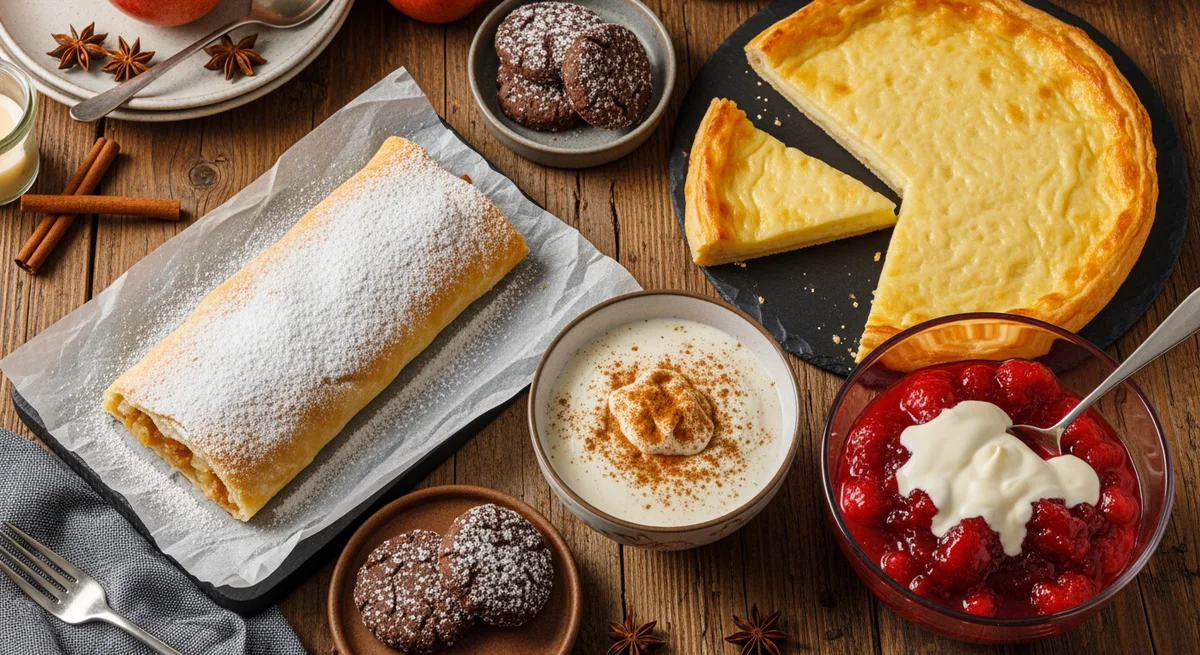
Hacking German Desserts: Delicious Shortcuts for Classic Sweets

Introduction: Your Easy-Peasy German Dessert Tour
German desserts often conjure images of intricate pastries, delicate spice cookies, and multi-layered cakes. While there's a certain magic to traditional techniques, who says you can't enjoy those classic German flavors without spending all day in the kitchen? This guide is all about finding smart shortcuts, clever ingredient swaps, and simplified methods to bring you delicious German desserts that are genuinely easy to make, but never 'dumbed down' in flavor. Get ready to impress yourself and your loved ones with these approachable takes on beloved German sweets!
1. The 'Strudel' Secret: Quick Apple Strudel
Traditional Apfelstrudel involves meticulously stretching dough until it's paper-thin – a beautiful art, but not exactly 'easy.' Our hack? Embracing store-bought phyllo dough or puff pastry. These ready-to-use options give you that wonderful flaky texture without the hours of effort.
Pro Tip: Don't be afraid to brush each layer of phyllo with melted butter for extra crispness and golden color. It's a small step that makes a big difference!
For the filling, stick to the basics: thinly sliced apples (Granny Smith or Honeycrisp work wonderfully), a mix of sugar, cinnamon, and a squeeze of lemon juice. Adding a handful of toasted breadcrumbs or crushed vanilla wafers can help absorb excess moisture and add a lovely texture.

Serve your quick Apfelstrudel warm, perhaps with a dusting of powdered sugar, a scoop of vanilla ice cream, or a dollop of whipped cream. It's surprisingly authentic tasting and totally satisfying, proving that shortcuts don't mean sacrificing flavor.
2. Käsekuchen Made Easy: The No-Fuss German Cheesecake
Traditional German cheesecake, or Käsekuchen, often uses quark cheese and a shortcrust pastry, which can be hard to find or tricky to work with. For our hack, we're going straight for cream cheese (the American cheesecake staple!) and a store-bought graham cracker crust or even a simple cookie crumb crust you press yourself. The goal is creamy, tangy goodness with minimal fuss.
For the filling, a blend of cream cheese, sugar, eggs, a touch of lemon zest, and a little vanilla extract will get you incredibly close to that classic Käsekuchen flavor profile. Some recipes even call for a dollop of sour cream or Greek yogurt for extra tang and moisture.
Pro Tip: Don't overmix your cheesecake batter once the eggs are added; this can introduce too much air and cause cracks. Mix until just combined.
Bake until the edges are set but the center still has a slight jiggle. Let it cool completely and then chill for several hours – this is crucial for the perfect texture. Serve plain, with a dusting of powdered sugar, or topped with fresh berries.

3. The Speedy Spice: Easy Lebkuchen Cookies
Lebkuchen, Germany's beloved spiced cookie, can sometimes involve resting dough overnight or intricate shaping. Our hack focuses on bold flavor with minimal fuss, aiming for a soft, chewy cookie that delivers all the warm, festive spices you love without the long wait.
Instead of elaborate doughs, we can use a simpler drop cookie approach. Think ginger-molasses cookies but with a German spice blend (cinnamon, cloves, nutmeg, cardamom, anise). A touch of honey or molasses is key for that signature Lebkuchen depth.
Pro Tip: Using a good quality Lebkuchen spice blend (available online or in specialty stores) can instantly elevate your cookies. If you can't find one, create your own by combining cinnamon, ground cloves, ginger, nutmeg, allspice, and a tiny pinch of cardamom and star anise.
These cookies are perfect for holiday platters or simply enjoying with a cup of coffee. A simple glaze made from powdered sugar and a touch of lemon juice or milk adds a lovely finish.

4. Comfort in a Bowl: Speedy Milchreis (German Rice Pudding)
Milchreis is the ultimate German comfort food – creamy, sweet, and incredibly satisfying. Traditionally, it's simmered slowly on the stovetop, requiring frequent stirring. Our hack speeds things up without sacrificing the beloved texture.
While a classic stovetop method can be quick if you use the right type of rice (like arborio or a short-grain white rice), you can also look to an Instant Pot or slow cooker for hands-off ease. The key is using whole milk (or a mix of milk and cream) and a touch of vanilla.
Pro Tip: For extra creaminess, stir in a spoonful of butter or a dollop of crème fraîche at the very end. Serve warm or cold, topped with cinnamon sugar, fruit compote, or apple sauce.
This simple dessert is perfect for breakfast, a snack, or a light dessert. It's a hug in a bowl!

5. The Berry Best: No-Fuss Rote Grütze (Red Berry Pudding)
Rote Grütze, a vibrant red berry pudding, is a refreshing German classic, especially popular in northern Germany. It's naturally easy, but we can make it even more effortless by leaning on frozen mixed berries and a simple thickening agent.
Combine your favorite red berries (raspberries, red currants, cherries, strawberries, blueberries – fresh or frozen!) with a little sugar and water or fruit juice. A touch of cornstarch or potato starch whisked in at the end thickens it beautifully into a luscious, spoonable pudding.
Pro Tip: Rote Grütze is traditionally served with a vanilla sauce (
Vanillesoße), vanilla ice cream, or a dollop of fresh cream. For a super speedy vanilla sauce, whisk together a little vanilla extract with powdered sugar and milk/cream until smooth.
This dessert is wonderfully light, tart, and bursting with fruity flavor – a perfect contrast to richer German sweets.

Conclusion: Your Journey to Effortless German Desserts
See? Mastering German desserts doesn't require a culinary degree or hours of intricate work. With a few clever hacks and a willingness to embrace convenient ingredients, you can bring the comforting, rich, and delicious flavors of Germany right into your own kitchen. So go ahead, experiment, and enjoy these delightful shortcuts – your taste buds (and your schedule) will thank you!