
From Necessity to Art: Embracing Seasonal & Frugal Cooking

The Heart of the Kitchen: Seasonal & Frugal Cooking
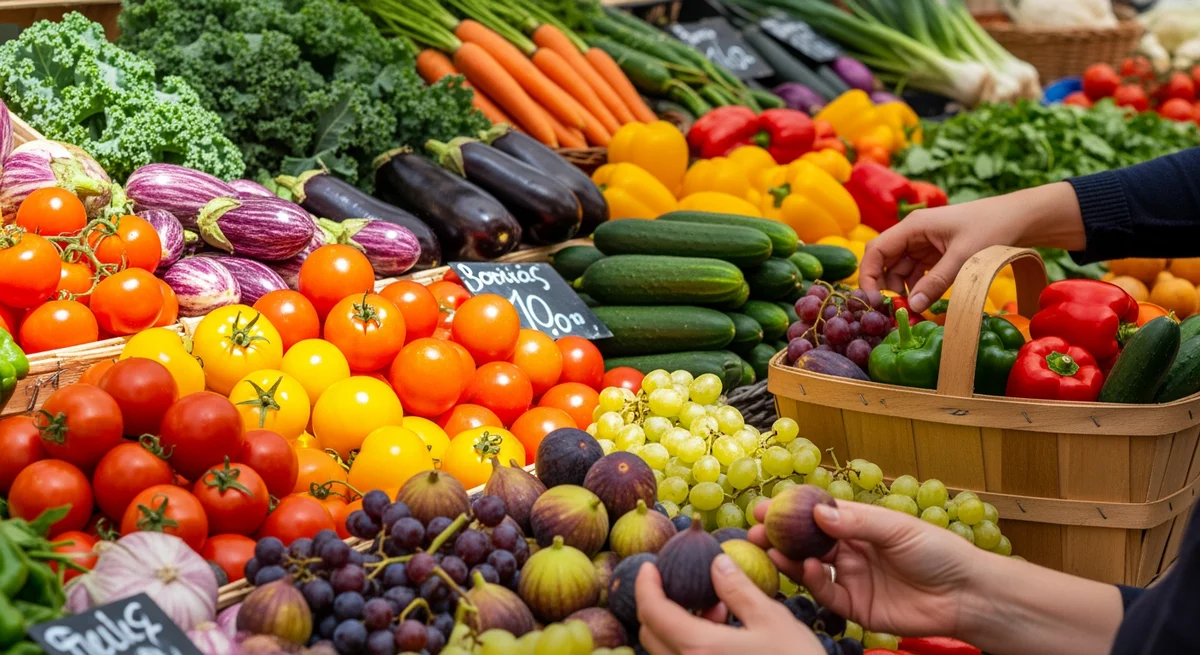
Growing up in a lower middle-class family, frugality wasn't a choice; it was a way of life that sparked immense creativity in our kitchen. My mother was our culinary compass, always inspired by what was in season. Her weekly trips to the farmer's market weren't about a rigid list, but an open mind, letting the vibrant, affordable bounty guide our meals. This taught me that the best ingredients are those picked at their peak, and that limited budgets can lead to truly delicious food. This foundation instilled a deep appreciation for ingredients and a knack for making magic happen with what's on hand – a philosophy I still follow today.
1. The Art of the Encore: Repurposing Leftovers
"Waste not, want not" isn't just an old saying; it's a culinary challenge. Don't see leftovers as 'old food,' but as pre-prepped ingredients for their next act.
I learned to (almost) never throw out leftovers. A Sunday roast chicken can become Monday's salad, Tuesday's stir-fry, or Wednesday's soup. Leftover rice can be fried, or added to a casserole. Steamed veggies can be pureed into sauces. A little imagination, a new spice, a fresh herb, or a squeeze of lemon can completely transform a dish. My guests often never know the difference! It's about rethinking and breathing new life into ingredients, saving money and reducing food waste.
2. Taste the Season: Benefits of Seasonal Eating
Eating seasonally isn't just a trend; it's a return to how food was meant to be enjoyed. It's better for your palate, your wallet, and the planet.
My mother instinctively knew this, and it's a principle I champion today: eat seasonal. When you choose produce that's in season, you're tapping into a wealth of benefits:
- Superior Flavor & Nutrition: Peak ripeness means better taste and more nutrients.
- Wallet-Friendly: Abundance leads to lower prices.
- Healthier You: Varied diet, fewer pesticides, shorter journey from farm to plate.
- Eco-Friendly: Reduces need for energy-intensive processes and long transportation.
Check what's in season locally for best results.
3. The Minimalist Pantry: Shop Smart, Shop Less
Before you head to the store, challenge yourself to create a meal from what you already have. You might be surprised by your own ingenuity.
This tip goes hand-in-hand with repurposing: don't go grocery shopping until almost everything is consumed. This reduces food waste by ensuring everything gets used. It forces creativity – that half onion and lonely chicken breast become the start of an unexpected meal. It saves money by curbing impulse buys and encourages better meal planning. Try it for a week; you might unlock new culinary skills!
A Lasting Legacy
The lessons from my mother's kitchen – the rhythm of the seasons, the value of every morsel, and the joy of creative problem-solving – profoundly shaped my cooking. Delicious, wholesome food doesn't require a hefty budget, but an open mind, adaptability, and respect for ingredients. Embrace the seasons, and let your kitchen become a canvas for frugal, flavorful art!