
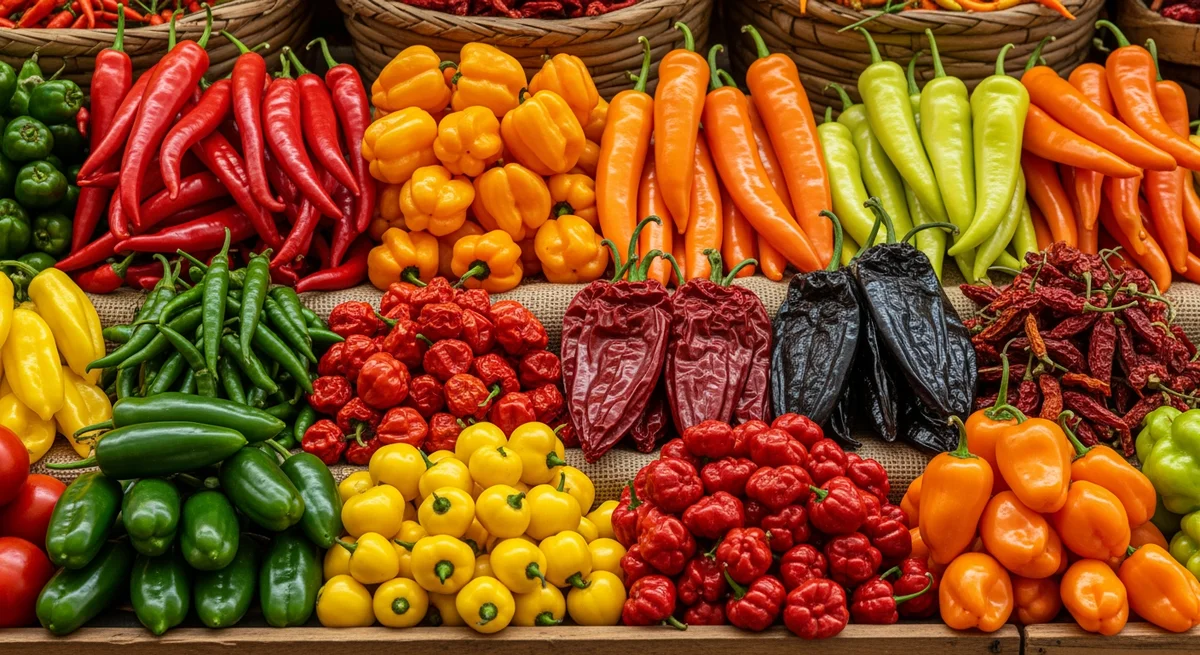
El Chile: The Fiery Heartbeat of Mexican & Global Cuisine

From Ancient Roots to Global Icon: The Story of El Chile
Ever bitten into a vibrant green jalapeño, felt the gentle warmth of a poblano in a mole, or had your senses awakened by the sharp kick of a habanero? That's el chile at work – a small but mighty fruit that has shaped entire cuisines and captivated taste buds across the globe for millennia. Far more than just a source of heat, chilies are a universe of flavors, aromas, and colors, and their story is deeply intertwined with human history, especially in Mexico.
The Cradle of Spice: Chili's Mexican Origins
Long before Christopher Columbus set sail, chili peppers were already an indispensable part of life in Mesoamerica. Archeological evidence suggests that chilies were domesticated in what is now Mexico over 6,000 years ago, making them one of the oldest cultivated crops in the Americas. Ancient civilizations like the Aztecs and Mayans didn't just eat chilies; they revered them. They were used in medicine, religious rituals, and, of course, every meal.
Think about it: before chilies, many ancient diets lacked a punch. When you add a chili, you're not just adding heat; you're adding layers of fruity, smoky, earthy, or even floral notes that transform simple ingredients into complex dishes.
El Corazón de la Cocina Mexicana: The Heart of Mexican Cuisine
To talk about Mexican food without talking about chilies is like talking about music without melody. Chilies are the soul, the character, and the very identity of Mexican cuisine. They dictate the flavor profiles of salsas, moles, marinades, and stews. Each chili brings its unique personality to the table:
- Jalapeño: The versatile, medium-heat staple, often used fresh, pickled, or smoked (chipotle).
- Serrano: Smaller, hotter, and brighter than the jalapeño, perfect for fresh salsas.
- Poblano: Mild with a rich, earthy flavor, ideal for stuffing (chiles rellenos) or making rajas.
- Ancho: A dried poblano, smoky and sweet, a cornerstone of many moles and adobos.
- Guajillo: Long, slender, and mild with a fruity, tangy flavor, often used to color and thicken sauces.
- Arbol: Small, potent, and fiery, used to add a direct, clean heat.
- Habanero: One of the spiciest, with a distinct fruity aroma, used sparingly for intense heat.
Tip: Don't just focus on heat! Mexican cooks carefully select chilies for their flavor profiles – the smokiness of an ancho, the fruitiness of a guajillo, the brightness of a serrano. It's about building complex layers of taste, not just scorching your palate.
Chilies are celebrated in every corner of Mexico. From the vibrant green of a salsa verde to the deep, dark complexity of a mole poblano, chilies provide the backdrop, the foreground, and everything in between. They're roasted, dried, ground, pickled, fried, and eaten fresh. They are the reason Mexican food is so incredibly diverse and endlessly fascinating.
A Global Journey: Chili's World Domination
When the Spanish arrived in the Americas, they encountered chilies for the first time. Mistaking them for a type of black pepper, they called them pimientos (peppers). Columbus carried them back to Europe, and from there, chilies embarked on an incredible global journey. They traveled along trade routes, including the Silk Road, quickly integrating into cuisines across Africa, Asia, and Europe.
Imagine the culinary world before chilies: no fiery Thai curries, no spicy Indian vindaloos, no zesty Italian arrabbiata, no vibrant Hungarian goulash. The chili pepper revolutionized cooking in countless cultures, offering an affordable and accessible way to add intense flavor and preservation to dishes.
- Asia: Chilies became integral to Thai, Vietnamese, Szechuan Chinese, and Indian cuisines, where they were adopted with such enthusiasm that many people now associate these regions with spicy food more than their point of origin.
- Africa: Chilies quickly became a staple in West and North African cooking, adding depth to stews and sauces.
- Europe: While not as universally adopted as in other continents, chilies found homes in Italy (especially the south), Spain, Portugal, and the Balkan countries, creating iconic dishes.
This global spread demonstrates the chili's incredible adaptability and its universal appeal. It's a testament to its power to transform and elevate food, making it more exciting, more flavorful, and often, more preserved.
The Science of Spice: What Makes Chilies Hot?
The magic behind the heat of a chili pepper is a compound called capsaicin. This chemical binds to pain receptors in our mouths and throats, triggering the sensation of heat. The amount of capsaicin is measured using the Scoville Heat Unit (SHU) scale, ranging from 0 SHU for a bell pepper to over 2 million SHU for some of the world's hottest varieties.
Beyond the thrill of the heat, capsaicin has also been studied for its potential health benefits, including pain relief, anti-inflammatory properties, and metabolism boosting. So, that fiery kick isn't just delicious; it might be good for you too!
Embracing the Heat: A Guide to Chili Exploration
Ready to dive deeper into the world of chilies? Here are a few tips:
- Start Mild, Go Wild: If you're new to spicy food, begin with milder chilies like poblanos or anchos. Gradually work your way up the Scoville scale as your palate adjusts.
- Taste Test: Even within the same variety, chili heat can vary. Taste a tiny piece before adding a large amount to your dish.
- Handle with Care: Capsaicin can irritate skin and eyes. Wear gloves when handling very hot chilies, and never touch your eyes after handling them without thoroughly washing your hands.
- Balance is Key: Heat should complement, not overpower, the other flavors in your dish. Mexican cuisine excels at balancing heat with acidity, sweetness, and savoriness.
- Cool Down: If you bite off more than you can chew, reach for dairy (milk, yogurt, sour cream) or starchy foods (bread, rice). Water often just spreads the capsaicin around!
The Enduring Legacy of El Chile
From the ancient fields of Mesoamerica to dinner tables around the world, el chile has left an indelible mark on how we eat, how we cook, and how we experience flavor. It's a testament to the power of a single ingredient to transcend geographical boundaries and cultural differences, uniting us all in the universal language of delicious, often fiery, food. So next time you enjoy a dish with a little kick, take a moment to appreciate the incredible journey and impact of this humble, yet mighty, pepper.