
Crack the Code: Baking Authentic Bavarian Laugenbrezeln at Home

Your Guide to German Pretzel Perfection: Laugenbrezeln at Home
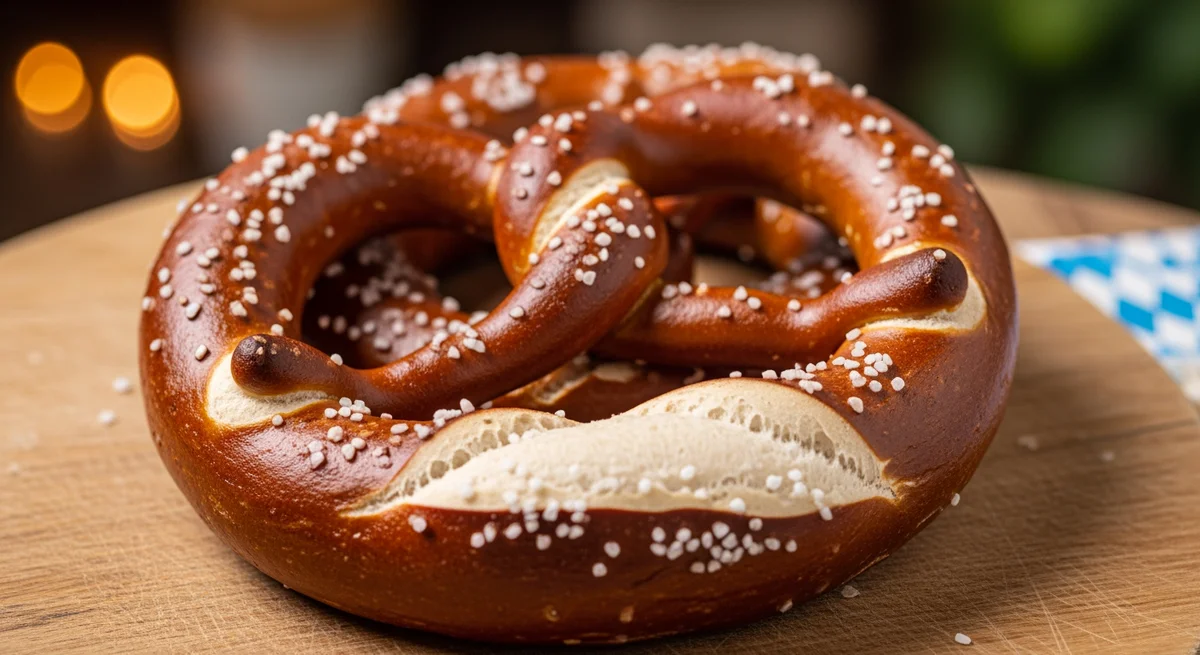
There's something truly magical about a Laugenbrezel – that iconic German pretzel with its deep, mahogany crust, glossy sheen, distinct mineral flavor, and perfectly chewy interior. For many, it's a taste of Bavaria, a nostalgic street food, or the ideal companion to a cold beer. While store-bought pretzels are fine, nothing compares to the satisfaction and incredible flavor of a homemade, authentic Breze. And guess what? You can absolutely achieve that perfection right in your own kitchen!
It might seem intimidating, especially with talk of lye, but I promise you, the process is incredibly rewarding. The dough itself is surprisingly simple, relying on just a few basic ingredients. The real 'secret sauce' (or rather, secret bath!) to achieving that signature look and flavor lies in one crucial step: the alkaline dip.
The "Secret" Ingredient: Lye vs. Baked Baking Soda
To get a truly authentic German Breze – the kind you'd find in a Munich bakery – you technically need a cold lye bath made from food-grade sodium hydroxide (NaOH). This is what creates that unmistakable deep color, crisp crust, and unique flavor profile that baking soda just can't quite replicate.
⚠️ Crucial Safety Note on Lye: While lye delivers superior results, it is a caustic chemical and must be handled with extreme care. If you choose to use it, you must wear safety goggles and heavy nitrile gloves. Always add the lye to the water (never water to lye), and only use stainless steel, glass, or heavy-duty plastic tools and bowls, as lye will corrode aluminum. Work in a well-ventilated area and keep children and pets away. Dispose of leftover lye solution safely by neutralizing with an acid (like vinegar) before pouring down the drain with plenty of water.
The Safer Alternative: Baked Baking Soda (Sodium Carbonate)
If the thought of handling lye makes you nervous, you can achieve a very good approximation of the pretzel crust using baked baking soda. By baking regular baking soda (sodium bicarbonate) at a high temperature, you convert it into sodium carbonate, which is more alkaline and gives a deeper color and more characteristic flavor than unbaked baking soda. While not exactly the same as lye, it's a fantastic and much safer home option.
Authentic Bavarian Laugenbrezeln Recipe
This recipe provides instructions for both the traditional lye bath and the baked baking soda alternative.
Ingredients
For the Dough:
- 500g (approx. 4 cups) all-purpose flour or bread flour
- 10g (approx. 2 tsp) fine sea salt
- 5g (approx. 1.5 tsp) instant dry yeast
- 25g (approx. 2 tbsp) unsalted butter, softened
- 280ml (approx. 1 1/8 cups) lukewarm water (around 30-35°C / 85-95°F)
For the Lye Bath (Choose ONE option below):
Option A: Lye (Recommended for authentic flavor and color)
- 30g (approx. 2 tbsp) food-grade sodium hydroxide (NaOH) pearls/flakes
- 1 Liter (approx. 4 cups) cold water
Option B: Baked Baking Soda (Safer alternative)
- 100g (approx. 1/2 cup) baking soda (sodium bicarbonate)
- 1.5 Liter (approx. 6 cups) water
For Finishing:
- Coarse pretzel salt (or other coarse salt like sea salt flakes)
Equipment
- Stand mixer with dough hook (optional, can mix by hand)
- Large mixing bowl
- Plastic wrap or clean kitchen towel
- Baking sheets
- Parchment paper or silicone baking mats
- Wire rack
- For Lye Bath: Heavy-duty plastic, glass, or stainless steel container (NOT aluminum!), safety goggles, heavy nitrile gloves, slotted spatula or spider
- For Baked Baking Soda Bath: Large pot, slotted spatula or spider
- Oven thermometer (optional, but recommended)
Instructions
Part 1: Prepare the Dough
- Combine Dry Ingredients: In a large mixing bowl (or stand mixer bowl), combine the flour, salt, and instant dry yeast. Mix well.
- Add Wet Ingredients: Add the softened butter and lukewarm water to the dry ingredients. If using a stand mixer, attach the dough hook.
- Knead the Dough: Knead on low speed for 8-10 minutes, or by hand on a lightly floured surface for 10-15 minutes, until the dough is smooth, elastic, and no longer sticky. It should pass the windowpane test (stretch a small piece thinly enough to see light through it without tearing).
- First Proof (Bulk Fermentation): Form the dough into a ball and place it in a lightly oiled bowl. Cover with plastic wrap or a damp cloth and let it rise in a warm place for 1-1.5 hours, or until doubled in size.
- Chill the Dough: Gently punch down the dough, reform it into a ball, and return it to the bowl. Cover tightly and refrigerate for at least 2 hours, or preferably overnight. Chilling makes the dough much easier to shape and prevents over-proofing during the dip.
Part 2: Prepare the Alkaline Bath (Choose ONE option)
Option A: Lye Bath (Prepare just before shaping)
- Safety First: Put on your safety goggles and heavy nitrile gloves. Ensure good ventilation.
- Mix Lye Solution: Carefully add the 30g food-grade lye to the 1 Liter of cold water in your designated heavy-duty plastic, glass, or stainless steel container. NEVER add water to lye. Stir gently with a stainless steel or heavy plastic spoon until the lye is fully dissolved. The solution will heat up initially. Allow it to cool back to room temperature before using (this can take 30-60 minutes). Store unused lye solution carefully labeled, out of reach of children and pets, or neutralize and dispose of it.
Option B: Baked Baking Soda Bath
- Bake Baking Soda: Preheat your oven to 120°C (250°F). Spread the 100g baking soda evenly on a baking sheet lined with parchment paper. Bake for 1 hour. It will transform into sodium carbonate. Let it cool.
- Prepare Bath: In a large pot, bring 1.5 Liters of water to a rolling boil. Carefully add the baked baking soda and stir until completely dissolved. Reduce heat to a gentle simmer. This bath will be used warm.
Part 3: Shape the Pretzels
- Divide Dough: Remove the chilled dough from the refrigerator. Divide it into 8-10 equal pieces (about 80-90g each for medium pretzels).
- Roll Ropes: On a clean, unfloured surface, take one piece of dough. Roll it into a long, thin rope, about 60-70cm (24-28 inches) long. Aim for thicker ends and a thinner middle section (this is key for the classic pretzel shape).
- Form Pretzel Shape: Form the rope into a U-shape. Take the ends, cross them over each other twice, then bring them back and press them onto the thicker bottom curve of the U, forming the traditional pretzel shape. (Look up videos for visual guidance if unsure).
- Chill Shaped Pretzels: Place the shaped pretzels on a baking sheet lined with parchment paper. Freeze them for 15-20 minutes, or refrigerate for 30 minutes. This quick chill helps the pretzels maintain their shape during the dip and bake.
Part 4: Dip and Bake
- Preheat Oven: While pretzels are chilling, preheat your oven to 220°C (425°F). Line two baking sheets with parchment paper or silicone mats.
- Dip Pretzels:
- Lye Bath: Wearing safety gear, carefully immerse one chilled pretzel at a time into the cold lye solution for about 20-30 seconds. Use a slotted spatula or spider to completely submerge it, then lift it out, allowing excess solution to drip off. Place immediately on the prepared baking sheet.
- Baked Baking Soda Bath: Carefully drop one chilled pretzel at a time into the simmering baked baking soda bath. Let it simmer for 30 seconds to 1 minute per side (total 1-2 minutes). It will puff up. Remove with a slotted spatula, letting excess water drain, and place on the prepared baking sheet.
- Salt and Score: Immediately after dipping, sprinkle generously with coarse pretzel salt. Using a very sharp knife or razor blade, make a shallow, horizontal cut (a 'score') across the thickest part of the bottom curve of each pretzel. This helps it expand correctly.
- Bake: Bake in the preheated oven for 12-18 minutes, or until deeply browned and glossy. The exact time will depend on your oven and pretzel size.
- Cool: Transfer the baked pretzels to a wire rack to cool slightly before serving. They are best enjoyed warm, fresh from the oven!
Tips for Success
- Don't Flour: When shaping, avoid using flour on your work surface. The slight stickiness of the dough helps in creating the long, thin ropes.
- Practice Shaping: Pretzel shaping takes a little practice. Don't worry if your first few aren't perfect – they'll still taste amazing!
- Even Thickness: Try to keep the pretzel ropes as even as possible, with slightly thicker ends and middle, to ensure even baking and a good crunch-to-chew ratio.
- Freshness: Pretzels are always best on the day they are baked. If you have leftovers, they can be reheated gently in the oven or toaster oven.
- Storage: Store cooled pretzels in an airtight container at room temperature for up to 1-2 days. For longer storage, freeze unbaked, dipped, and salted pretzels on a baking sheet until solid, then transfer to a freezer bag. Bake from frozen (add a few extra minutes to baking time).
Conclusion
Bringing the taste of Bavaria into your home with freshly baked Laugenbrezeln is an immensely satisfying culinary adventure. Whether you opt for the authentic lye bath or the safer baked baking soda method, the aroma filling your kitchen and the taste of that first warm, salty, chewy bite will make every step worth it. So, tie on your apron, gather your ingredients, and get ready to crack the code to German pretzel perfection!