
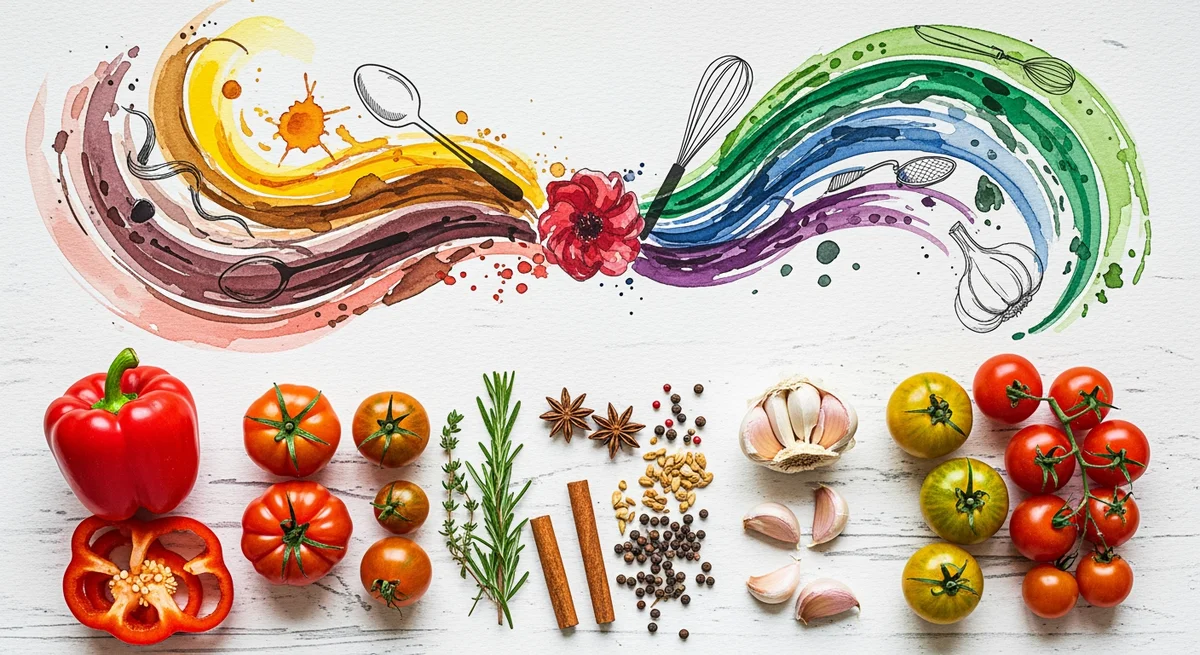
Cooking from the Heart: Embracing Intuition Over Recipes

Learning to Cook Beyond the Cookbook
For many of us, the kitchen is a place of comfort and connection, often rooted in the memories of those who cooked for us. You shared a wonderful insight: that true culinary skill can be learned not from strict measurements and step-by-step instructions, but from observation, intuition, and a deep understanding of ingredients. This philosophy, passed down from your mother, is a powerful reminder that cooking is an art form, a dance between ingredients and intent, rather than a rigid science.
Your mother's belief that 'good food doesn’t need to be complicated—it just needs care and balance' is a sentiment that resonates deeply. It encourages us to step away from the intimidating perfection often portrayed in glossy cookbooks and instead embrace a more organic, mindful approach. Let's explore how to cultivate this intuitive cooking style in our own kitchens.
The Language of Ingredients: Listening to What They Tell You
Your mother taught you how to 'understand ingredients,' and this is perhaps the most fundamental step in intuitive cooking. Before you even think about chopping or stirring, take a moment to truly engage with what you're working with.
- Touch and Feel: Is that bell pepper firm and crisp, or slightly soft? Are the herbs vibrant and fragrant, or a bit wilted? The texture can tell you a lot about freshness and how it might behave when cooked.
- Smell: A ripe tomato has a sweet, earthy aroma. Fresh garlic is pungent, not acrid. Spices should smell vibrant and potent. Trust your nose – it's an incredible guide to quality and flavor.
- Appearance: Look for natural vibrancy, absence of blemishes, and signs of ripeness. A dull color might indicate a lack of flavor.
- Understanding Their Role: Every ingredient plays a part. A lemon adds acidity, balancing richness. Onions and garlic build a foundational aromatic layer. Knowing these roles helps you adjust on the fly.
Tip: Spend time at your local market. Don't just grab and go. Touch the produce, smell the herbs, and ask questions. The more familiar you become with raw ingredients, the better you'll understand them in your cooking.
The Art of Seasoning: Timing, Balance, and the Trusty Spoon
One of the greatest lessons from your mother was 'how spices should be added at the right time.' This is where many home cooks can elevate their dishes from good to unforgettable.
- Building Layers: Some spices, like cumin or coriander seeds, benefit from being toasted in oil early on to release their deep, earthy flavors. Fresh herbs, on the other hand, might be added closer to the end of cooking to preserve their bright, herbaceous notes.
- Tasting as You Go: This is perhaps the most crucial intuitive cooking skill. Don't wait until the dish is finished to taste!
- Taste your aromatics after they've softened.
- Taste after adding your main ingredients.
- Taste after simmering.
- Taste, adjust, taste again.
- Achieving Balance: Your mother emphasized 'balance.' This isn't just about salt! Think about the five basic tastes:
- Salt: Enhances all other flavors.
- Acidity: Lemon juice, vinegar, or even a splash of wine can brighten a dish and cut through richness.
- Sweetness: A pinch of sugar, a touch of honey, or naturally sweet ingredients can round out flavors.
- Bitterness: Often found in greens or roasted vegetables, it adds complexity.
- Umami: The savory 'fifth taste' found in mushrooms, tomatoes, cheese, and soy sauce.
Pro Tip: Keep a small spoon by your side while cooking. Every few minutes, take a tiny taste. Does it need more salt? A squeeze of lemon? A pinch of chili for heat? This iterative process is how you learn to fine-tune flavors.
The Power of Small Changes: Transforming a Dish with a Gentle Touch
'Small changes can improve a dish,' your mother wisely noted. This speaks to the subtle artistry of intuitive cooking. It’s not about grand gestures, but thoughtful tweaks that make a significant impact.
- A Squeeze of Citrus: A final squeeze of lemon or lime juice over a soup, stir-fry, or roasted vegetable dish can awaken all the flavors.
- Fresh Herbs at the End: A sprinkle of fresh parsley, cilantro, or basil just before serving adds vibrant color, aroma, and a burst of fresh flavor that dried herbs can't replicate.
- A Drizzle of Good Oil: Finishing a dish with a high-quality extra virgin olive oil, a nutty sesame oil, or a rich truffle oil can add a layer of luxurious flavor and mouthfeel.
- A Pinch of Heat: A tiny bit of chili flakes or a dash of hot sauce can provide a gentle warmth that makes a dish more exciting without overwhelming it.
- Toasting Nuts or Seeds: Lightly toasting nuts or seeds (like sesame or pumpkin seeds) before adding them as a garnish can deepen their flavor and add a pleasant crunch.
These small additions are often the difference between a perfectly acceptable meal and one that truly sings.
Patience: The Unsung Ingredient for Deep Flavor
Your mother's lesson that 'cooking is not just about measurements, but about feeling, patience' highlights a critical, yet often overlooked, aspect of great food. In our fast-paced world, it's tempting to rush, but some flavors simply need time to develop.
- Sautéing Aromatics: Resist the urge to crank up the heat and brown onions quickly. Slowly caramelizing onions until they're deeply golden and sweet can take
15-20 minutes, but it lays a rich, complex foundation for countless dishes. - Simmering Stews and Sauces: Low and slow is often the key to tender meats and vegetables, and for allowing flavors to meld and deepen. A quick boil can make a sauce taste thin; a gentle simmer allows it to thicken naturally and flavors to integrate.
- Resting Meat: After cooking, allowing meat to rest for
5-15 minutes(depending on size) lets the juices redistribute, resulting in a more tender and flavorful cut. - Marinating: Giving ingredients time to soak up flavors from marinades can transform their taste and texture.
Remember: Cooking isn't a race. Enjoy the process. The aroma filling your kitchen is part of the experience, and the patience you invest will be rewarded in the final taste.
Cooking for Comfort: The Heart of the Matter
Ultimately, your mother's philosophy boiled down to 'making food that brings comfort to others.' This reminds us that food is more than just sustenance; it's an expression of love, care, and connection.
- Cook with Intention: When you cook, think about who you're cooking for. What flavors do they love? What brings them joy?
- Embrace Imperfection: A dish made with love, even if it's not perfectly plated, will always taste better than a technically flawless meal made without passion.
- Share the Experience: Cooking is often a solitary act, but eating is almost always communal. The comfort your food provides extends to the shared laughter, conversation, and memories made around the table.
Trust Your Instincts: Your Kitchen, Your Rules
Just as your mother developed her unique style, you too can cultivate your own culinary voice. Embrace the lessons of understanding ingredients, balancing flavors, and cooking with patience and care. Don't be afraid to experiment, to make mistakes (they're the best teachers!), and to trust your gut.
The best chefs aren't those who follow recipes blindly, but those who understand the 'why' behind the 'what.' They know how to adapt, how to improvise, and how to create something truly delicious from what they have on hand. Your mother gifted you this invaluable skill – now, go forth and make it your own.