
Cooking Balinese Food Abroad — Ingredient Substitutions That Actually Work

Bringing Bali to Your Kitchen: The Art of Substitution
There's a magic to Balinese cuisine – a vibrant symphony of fresh aromatics, fiery chilies, and subtle sweet notes that transport you straight to the Island of the Gods. However, recreating these dishes outside of Indonesia often comes with a significant hurdle: finding the right ingredients. Many Balinese staples are unique to the region, making them difficult to source in Western countries. But don't despair! With a little know-how and some smart substitutions, you can still create dishes that taste remarkably close to the real thing, allowing you to enjoy the heart of Balinese cooking wherever you are.
The key is understanding the role each ingredient plays – its flavor profile, aroma, and texture contribution. Once you grasp that, finding a suitable stand-in becomes much easier. Let's dive into the most important swaps that will save your Balinese culinary adventures.
Kencur (Aromatic Ginger) – The Elusive Earth Note
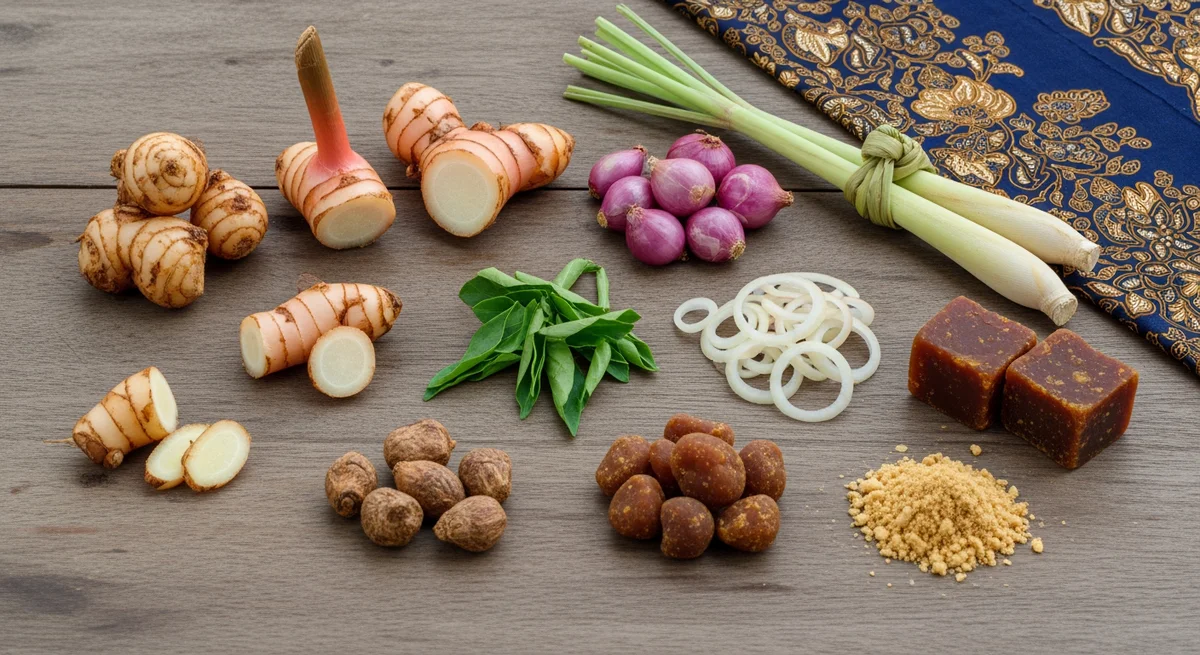
Kencur is arguably the hardest Balinese ingredient to replace because nothing tastes quite like it. It possesses a sharp, clean, almost camphor-like flavor with earthy undertones, completely distinct from regular ginger or galangal. It adds a unique freshness and depth to Balinese spice pastes (basa genep) that is hard to replicate.
The Substitution: If you cannot find fresh or frozen kencur at a well-stocked Asian grocery store, your best bet is to use a very small amount of fresh galangal mixed with a tiny pinch of ground cinnamon. This combination isn't perfect, but it offers a hint of kencur's unique complexity. Use extremely sparingly, as too much cinnamon will overwhelm the dish. Alternatively, you might find dried kencur powder, which should be rehydrated before use, though its flavor is less vibrant than fresh.
Galangal (Lengkuas) – The Floral Aromatic
While related to ginger, galangal has a distinct piney, citrusy, and slightly floral aroma and a much tougher texture. It's crucial for many spice pastes.
The Substitution: If fresh galangal is unavailable, frozen sliced galangal is an excellent substitute and often found in Asian markets. If neither is available, a small amount of fresh ginger with a tiny squeeze of lime juice can provide a similar aromatic bright note, but be aware that ginger is spicier and less floral. For pastes, you can use a bit more fresh ginger and a touch of lemongrass.
Lemongrass (Sereh) – The Citrusy Stalk
Lemongrass adds a bright, lemony, and slightly floral aroma, especially when bruised and cooked. It's often used in stocks, curries, and pastes.
The Substitution: For pastes, the bottom white part of fresh lemongrass stalks is best. If fresh is unavailable, frozen chopped lemongrass works well. For aromatic infusions in soups or curries, you can use dried lemongrass stalks (though less potent) or even the zest of half a lemon with a tiny bit of fresh ginger for a similar fragrant brightness.
Balinese Shallots (Bawang Merah Bali) – The Sweet Aromatic Base
Balinese cuisine relies heavily on a specific type of shallot, often larger and sweeter than the common French shallots, with a beautiful purple hue. They form the aromatic foundation of many dishes.
The Substitution: Good quality small red onions or common shallots are the closest substitute. Aim for ones that are slightly sweet rather than overly pungent. Avoid large yellow or white onions if possible, as their flavor profile is too strong and lacks the subtle sweetness.
Palm Sugar (Gula Merah / Gula Aren) – The Caramel Sweetener
This dark, fragrant sugar, typically made from coconut or arenga palm sap, offers a complex caramel and molasses-like sweetness that is fundamental to balancing Balinese flavors.
The Substitution: The best substitute is dark brown sugar, ideally muscovado sugar, which has a similar deep molasses flavor. Light brown sugar can also work, but you might need a tiny pinch more to achieve the same depth. Avoid plain white sugar, as it lacks the necessary complexity.
Shrimp Paste (Terasi / Belacan) – The Umami Bomb
A small amount of fermented shrimp paste adds an incredible depth of umami and a savory funk that defines many Balinese sauces and sambals. Don't be put off by its strong smell – it transforms beautifully when cooked!
The Substitution: Good quality Thai shrimp paste (kapi) or Malaysian belacan are excellent and widely available substitutes. A small amount of fish sauce can provide some umami, but it lacks the same concentrated, earthy flavor of shrimp paste. Use sparingly and taste as you go.
Salam Leaves (Indonesian Bay Leaves / Daun Salam) – The Subtle Aroma
These leaves, distinct from Western bay leaves, impart a unique, slightly earthy, and citrusy aroma to stews, curries, and rice dishes.
The Substitution: Dried curry leaves can offer a somewhat similar aromatic profile, though they are not an exact match. If you can't find salam or curry leaves, you can omit them, or use a regular bay leaf very sparingly for a subtle background note, but be aware it will change the dish's overall fragrance.
Lime Leaves (Daun Jeruk Purut / Kaffir Lime Leaves) – The Zesty Fragrance
The intense, citrusy, and slightly floral aroma of kaffir lime leaves is indispensable in many Balinese curries, soups, and stir-fries.
The Substitution: Fresh or frozen kaffir lime leaves are widely available in Asian markets and highly recommended. If absolutely unavailable, the zest of a regular lime (or even better, a makrut lime if you can find the fruit) can offer a similar bright, citrusy note, though it lacks the distinct floral aroma. Use sparingly.
Candlenuts (Kemiri) – The Thickening Agent
Candlenuts are often ground into spice pastes to add richness, a subtle nutty flavor, and to thicken sauces.
The Substitution: Macadamia nuts are the closest in texture and fat content. If macadamia nuts are too expensive or unavailable, raw cashews or even blanched almonds can be used. Toasting them lightly before grinding can enhance their nutty flavor. Always toast candlenuts/substitutes before adding to a paste, as raw candlenuts are slightly toxic.
Conclusion
Mastering these substitutions is a game-changer for anyone craving authentic Balinese flavors far from home. Remember, cooking is an art, not a science, and adapting to what's available is part of the culinary journey. Experiment with these swaps, trust your palate, and soon you'll be enjoying the vibrant tastes of Bali, no matter where you are in the world. Selamat Makan!