
Beyond the Bottle: The Deep History and Savvy Use of Olive Oil

The Unforgettable Taste of Home: A Legacy in Every Drop
For me, olive oil was never just a store-bought staple; it was liquid gold from my grandfather's sun-drenched groves. This direct connection taught me the profound difference between ordinary and extraordinary olive oil, spoiling my palate for anything less. Its vibrant aromas and deep flavor were a sensory journey, a direct link to tradition and nature.
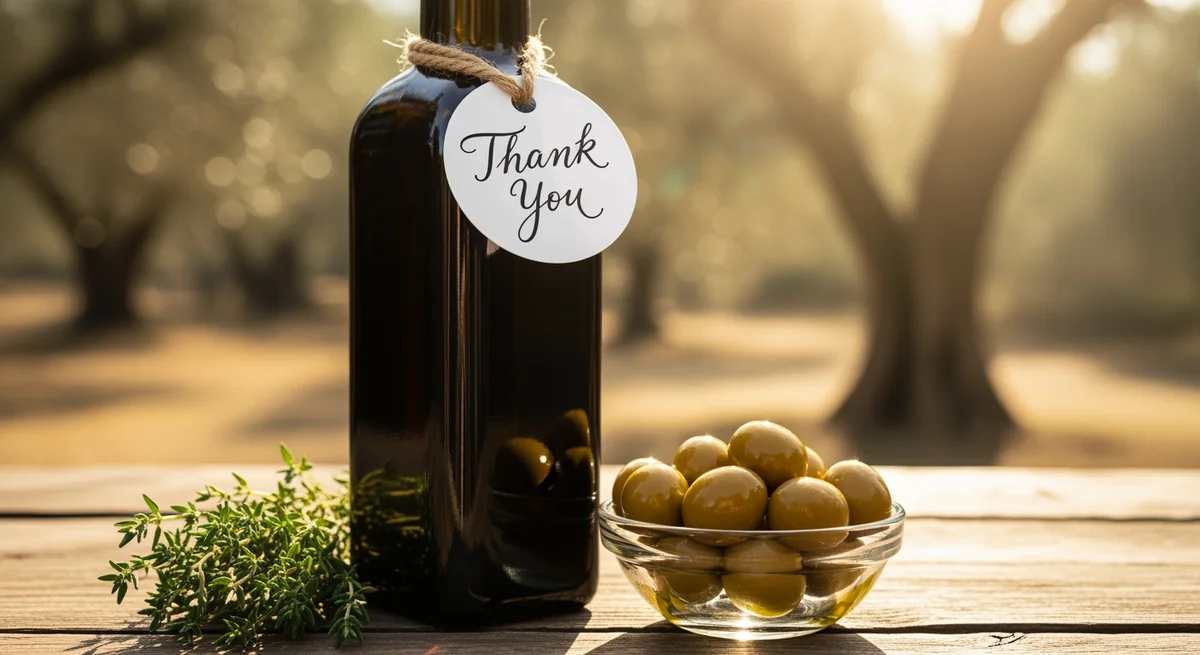
Even after his passing, this appreciation remains a cherished legacy. In fact, at my own wedding, small bottles of this very olive oil, infused with fresh thyme, were given as favors – a heartfelt homage to enduring love and the gifts of nature, shared with those closest to us. Olive oil's history spans millennia, revered as more than just a foodstuff. Tasting truly fresh extra virgin olive oil (EVOO) is a revelation: vibrant, herbaceous, sometimes peppery – a sign of healthy polyphenols. Once you've experienced the real deal, you'll instantly know the difference from flat, greasy, or rancid oil.
Debunking Olive Oil Myths & Buying Smart
Don't let common misconceptions prevent you from fully appreciating olive oil's value.
Common Myths Dispelled:
- Cooking with EVOO: It's perfectly suitable for most home cooking, like sautéing and pan-frying, with a smoke point typically around
375-405°F (190-207°C). - 'Light' olive oil: Refers to its milder flavor and lighter color due to refining, not fewer calories or fat.
- Greener isn't always better: Color depends on the olive varietal and harvest, not a reliable indicator of quality.
- Cloudy oil is bad: Often means it's unfiltered, retaining flavorful olive pulp – a sign of freshness.
Tips for Buying Quality Olive Oil:
- Check the Harvest Date: Aim for a date within 18 months for peak freshness.
- Dark Bottles or Tins: Light is olive oil's enemy; dark packaging protects quality.
- Know the Origin: Look for specific regions or single estate oils for better transparency, not just vague 'Product of [Country]'.
- Price Matters (Usually): Very cheap EVOO might indicate lower quality or extensive blending. Good olive oil is an agricultural product that commands a fair price.
Olive Oil: A Versatile Culinary Gem
Understanding olive oil's smoke point and flavor profile is key to transforming dishes.
1. Finishing & Cold Applications (EVOO):
Extra virgin olive oil (EVOO) shines when raw. Drizzle generously over salads, grilled fish, soups, pasta, or use for dipping crusty bread. For a surprising treat, drizzle a good EVOO over vanilla ice cream with a sprinkle of sea salt – the peppery notes offer a delightful contrast.
2. Medium-Heat Cooking (EVOO or Regular Olive Oil):
EVOO handles sautéing vegetables or pan-frying eggs at moderate temperatures (375°F / 190°C). For slightly higher heat or longer cooking, a regular olive oil (often labeled 'pure' or 'light' olive oil, a blend of refined and virgin oils) with a higher smoke point (410°F / 210°C+) is a reliable choice.
3. Roasting & Baking (Regular or EVOO):
For roasting vegetables or meats at high oven temperatures, regular olive oil is ideal. In baking, olive oil lends incredible moisture and a unique richness to cakes (especially citrus-based ones), muffins, and savory breads like focaccia. Its subtle fruitiness pairs wonderfully with many ingredients.
Appreciating olive oil means embracing history, quality, and the profound connection between food, family, and the earth. Let every drop tell its rich, flavorful story, guiding your culinary journey with its timeless essence.