
Base Genep: Unlocking the Soul of Balinese Cooking

Introduction: The Secret Ingredient of Bali
If there is one thing you must understand about Balinese cuisine, it is base genep. This master spice paste is the undisputed foundation of nearly every savory dish on the island. From the grand, celebratory Ayam Betutu to the humble, everyday Ayam Sisit, from the rich Be Pasih Mesanten curry to the simple, aromatic seasoning in Tum Ayam parcels – base genep is the flavor engine. Think of it as the Balinese equivalent of French mirepoix or Spanish sofrito, but with a complexity and depth that's truly in a league of its own. It's not just an ingredient; it's the very soul of the island's cooking.
The Anatomy of Flavor: What's in a Base Genep?
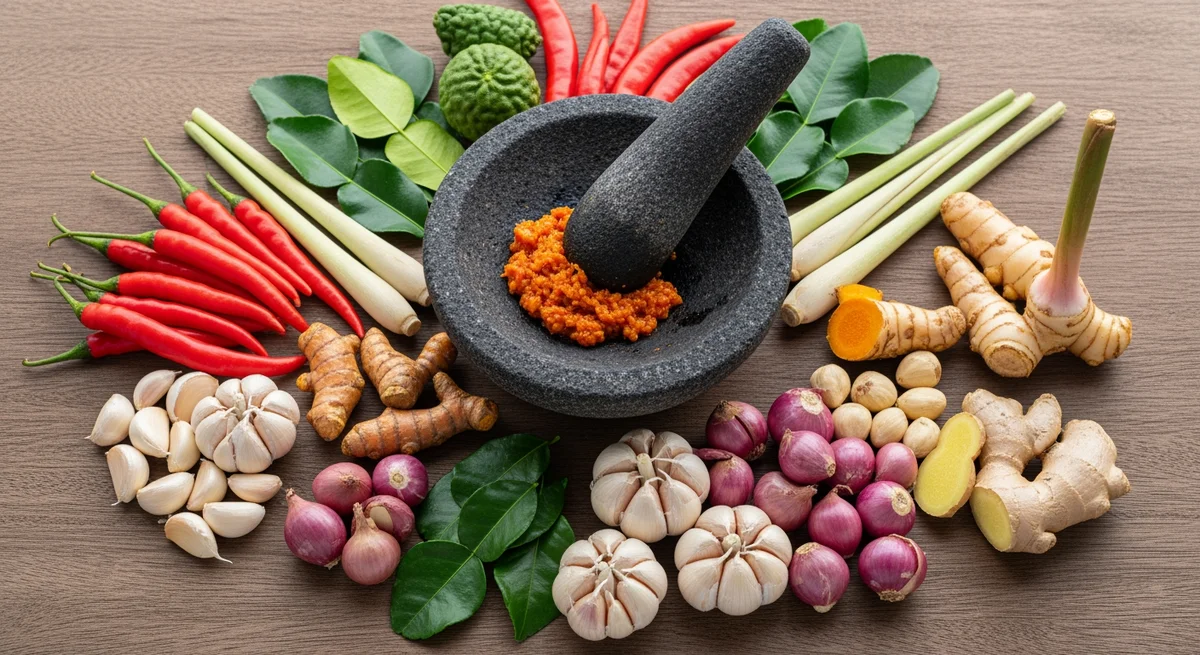
A traditional base genep is a symphony of over a dozen fresh ingredients, meticulously ground together. Historically, this labor of love was performed by hand on a cobek batu (stone mortar and pestle), a ritual that infused the paste with intention and energy. While modern kitchens might opt for a food processor, the essence remains the same: combining these vibrant elements to create a harmonious blend.
Let's break down the core ingredients that make this paste so special:
-
Shallots & Garlic: The aromatic backbone, providing a sweet and pungent base.
-
Chiles (Bird's Eye & Large Red): Bringing the heat and a vibrant hue. The quantity can vary wildly depending on desired spice level.
-
Fresh Turmeric: Gives base genep, and subsequently many Balinese dishes, its signature golden-yellow color and earthy, slightly bitter notes. It's also known for its health benefits.
-
Galangal: A firm, citrusy, and piney root, distinct from ginger, offering a bright, peppery kick.
-
Ginger: Warmer and spicier than galangal, providing a comforting, aromatic depth.
-
Kencur (Aromatic Ginger): This is where Balinese base genep truly distinguishes itself. Kencur is a small, pale root with a sharp, clean, camphor-like aroma and flavor that’s hard to describe but utterly unmistakable. It’s rarely found in other Southeast Asian cuisines, making it a non-negotiable for authentic Balinese taste.
-
Candlenuts (Kemiri): These provide a creamy texture and richness to the paste, thickening sauces and adding a subtle, nutty flavor.
-
Coriander Seeds & Black Peppercorns: Essential warming spices, adding fragrance and a gentle heat.
-
Terasi (Fermented Shrimp Paste): A small block of intense umami. Crucially, terasi must always be roasted before use to transform its raw, pungent fishiness into a deep, savory, almost smoky complexity. Don't skip this step!
The Balinese Signature: Kencur and Cekuh
While many Indonesian cuisines use similar spice pastes, what makes base genep uniquely Balinese are two specific ingredients: kencur (aromatic ginger) and cekuh (lesser galangal – often used interchangeably or alongside kencur). These roots are the secret handshake of Balinese cooking, rarely appearing in significant amounts in Javanese or Sumatran spice blends. Without their distinctive earthy, slightly medicinal, yet refreshing notes, a dish might taste broadly Indonesian, but it will never taste truly Balinese. They provide that elusive, authentic 'flavor of Bali' that seasoned travelers and foodies instantly recognize.
Pro Tip: Sourcing fresh kencur might require a trip to an Asian grocery store or a specialty spice shop. If fresh isn't available, dried kencur powder can be a substitute, but use sparingly as it's more concentrated and lacks the fresh vibrancy.
The Ritual: Crafting Your Own Base Genep
In Bali, making base genep is more than just cooking; it’s a meditative act, a daily ritual, and an expression of love. Every Balinese family boasts their own base genep recipe, often passed down from mother to daughter through generations. While proportions might shift, the technique remains largely consistent:
-
Preparation: Peel and roughly chop all the fresh ingredients (shallots, garlic, chiles, turmeric, galangal, ginger, kencur). Toast the coriander seeds and black peppercorns lightly in a dry pan until fragrant. Roast the terasi until it's crumbly and aromatic.
-
Grinding: Traditionally, this is done with a cobek batu. Start with the hardest ingredients first (spices, roots), then add the softer ones (shallots, chiles). Grind everything until it forms a very fine, smooth paste. The finer the grind, the more integrated the flavors will be. If using a food processor, chop everything roughly, then process with a little water or oil until very smooth.
-
Slow Cooking: This is a crucial step. The paste must be cooked slowly in a generous amount of coconut oil over low to medium heat. You’ll know it’s ready when the raw smell of the fresh aromatics disappears, the paste darkens slightly, and the oil separates, becoming fragrant. This process, known as 'cooking out' the paste, can take
15-30 minutesand develops the deep, complex flavors that define Balinese cuisine. Your kitchen will fill with an aroma that every Balinese person recognizes as the smell of home.
Beyond the Basics: Tailoring Base Genep for Every Dish
The beauty of base genep lies in its versatility. While the core ingredients are constant, the proportions shift depending on the dish. More chili for a fiery sambal, more turmeric for a golden curry, or more candlenuts for a richer, heavier ceremonial dish. Let's look at how this foundational paste transforms into distinct culinary experiences:
Ayam Betutu: The Grand Ceremony
For a dish like Ayam Betutu, a whole chicken or duck slow-cooked with a rich, intensely flavored base genep, the paste might have a higher proportion of candlenuts for richness and a generous amount of chiles for a celebratory kick. It's often wrapped in banana leaves and roasted or steamed for hours, allowing the flavors to deeply infuse.
Ayam Sisit: Everyday Balinese Comfort
Contrast that with Ayam Sisit, a beloved shredded chicken dish often served with rice. Here, the base genep might be a little lighter, with a focus on fresh aromatics and lime, providing a vibrant, zesty counterpoint perfect for everyday meals.
Be Pasih Mesanten: A Taste of the Sea
For a creamy seafood curry like Be Pasih Mesanten (fish in coconut milk), the base genep would be robust, often with added lemongrass and kaffir lime leaves, providing a rich, aromatic foundation that perfectly complements the delicate fish and sweet coconut milk.
Tum Ayam: Flavorful Parcels
Even in simpler preparations like Tum Ayam, small parcels of seasoned minced chicken steamed in banana leaves, base genep plays a starring role. Here, it's mixed directly with the minced chicken, allowing its fresh, complex flavors to shine through in every bite.
Tips for the Home Cook: Making Base Genep Your Own
-
Sourcing Ingredients: Don't be afraid to venture to your local Asian market. Fresh ingredients make a huge difference. If fresh kencur is unavailable, some recipes might suggest omitting it or using a very small amount of dried powder.
-
Batch Cooking: Base genep freezes beautifully! Make a larger batch, portion it out, and freeze it in airtight containers or ice cube trays. This way, you always have a taste of Bali ready to go for quick weeknight meals.
-
Adjusting Heat: The amount of chiles is highly customizable. If you prefer less heat, remove the seeds from the chiles or reduce their quantity. For more heat, add extra bird's eye chiles.
-
Balance is Key: While complex, Balinese cooking is all about balance – spicy, sweet, sour, salty, and umami all harmonizing. Don't be afraid to taste and adjust your base genep as you go.
A Cultural Connection: More Than Just a Paste
In Balinese culture, food is deeply intertwined with spirituality and community. Base genep isn't just a cooking component; it's a living tradition. The aromas wafting from a kitchen where base genep is being prepared evoke memories, comfort, and a profound sense of place. It's a reminder that truly great food often comes from patience, fresh ingredients, and a touch of heartfelt devotion.
Embark on Your Balinese Culinary Journey
So, whether you're a seasoned chef or a curious home cook, understanding and embracing base genep is your essential first step into the vibrant, soulful world of Balinese cuisine. Take the time to make your own, savor its aromas, and let it transport your taste buds straight to the Island of the Gods. Happy cooking!